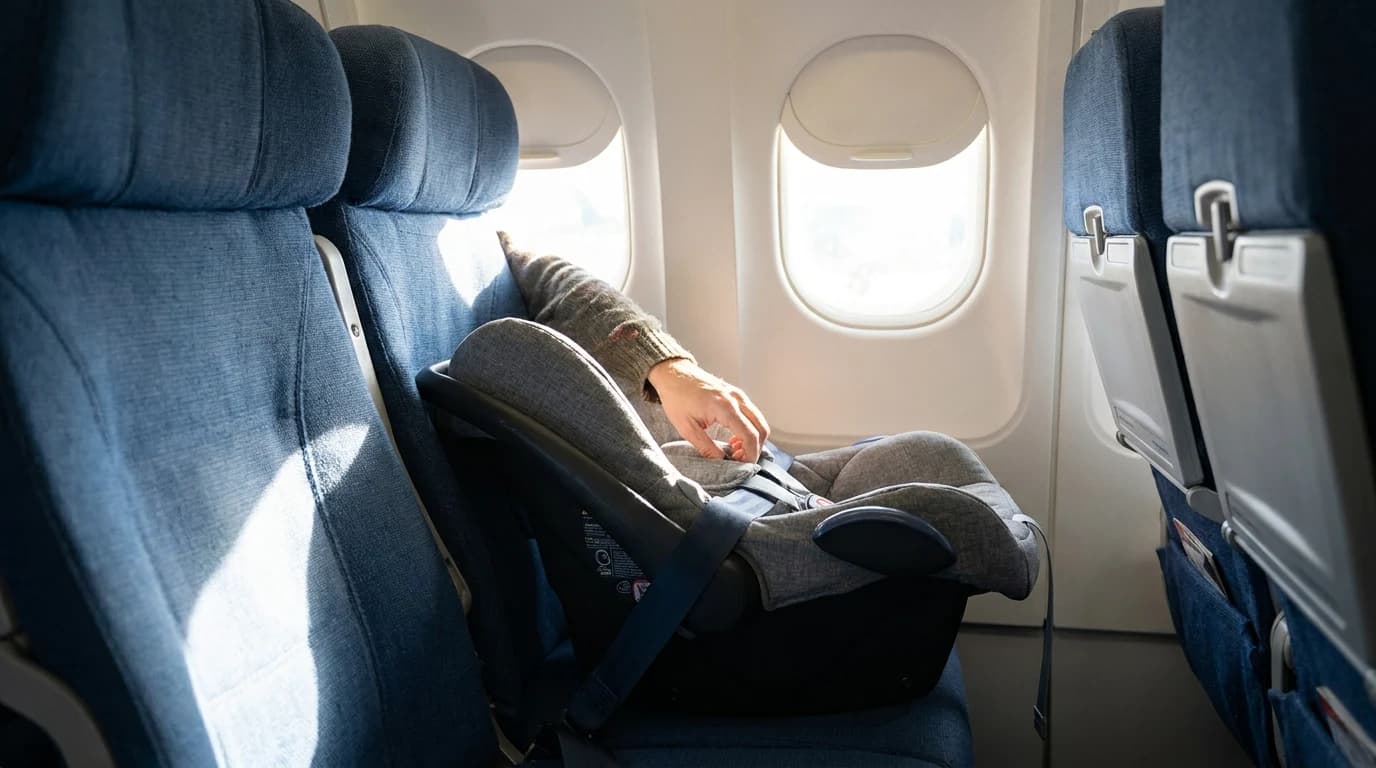
Most US car seats can fly. The catch is that the sticker that makes a seat legal on a plane says nothing about whether it fits between the armrests of the seat you paid for — and on the narrowest seats a US airline publishes, most popular car seats do not.
Start with the label. The FAA tells parents to confirm the seat has “This restraint is certified for use in motor vehicles and aircraft” printed on it, or is approved by a foreign government and bears that government's marking. The label gets a car seat on board; its width decides whether it fits the seat. Southwest publishes a narrowest economy seat of 15.5 inches on all three of its 737 types, and widest seats of 17.0 to 17.8 inches. That is not a Southwest quirk: an FAA rule requires US airlines to publish the width of the narrowest and widest seat in each class for every aircraft, measured between the armrests, so parents can run exactly this check.
We researched the FAA-approved seats families actually fly with against those numbers. We have not installed them on an aircraft; every width, weight and child limit below is the manufacturer's own, linked at the claim, and read on September 24, 2026. Want a verdict for your own trip first? Our car seat on a plane checker takes your child's age, weight and airline.
Four seats with the aircraft label, and one harness
| Restraint | Type | Maker's child limits | Maker's width | Weight |
|---|---|---|---|---|
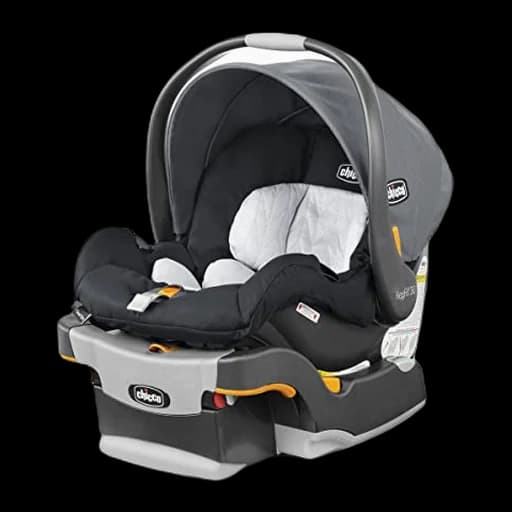
| Chicco KeyFit 30 ClearTex | Rear-facing infant seat | 4–30 lb, up to 30 in | 16.75 in | 9.5 lb carrier |
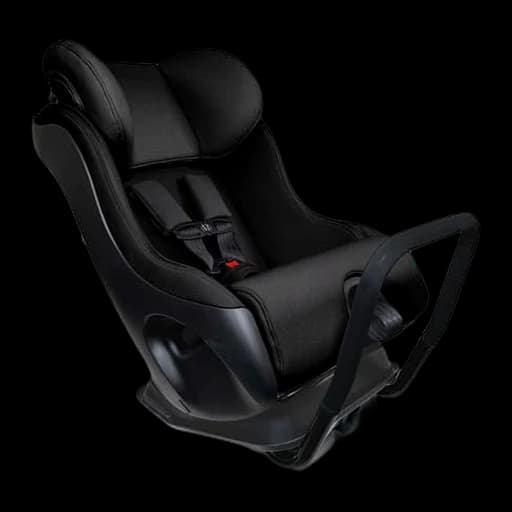
| Clek Fllo | Convertible | 14–50 lb rear-facing; 26.5–65 lb forward-facing | 16.9 in | 25 lb |
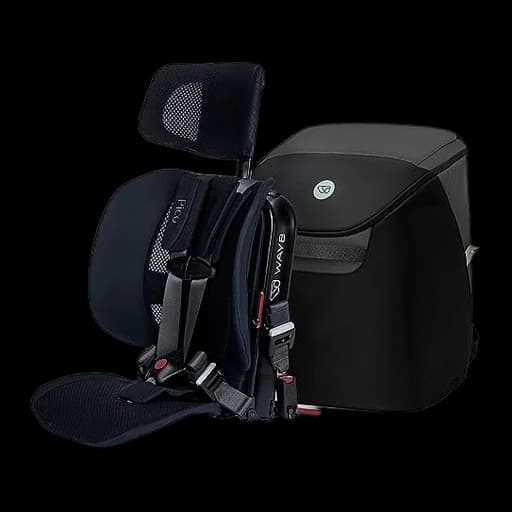
| WAYB Pico | Forward-facing only, age 2+ | 26.5–50 lb, 33.5–45 in | 14.5 in | 8 lb |
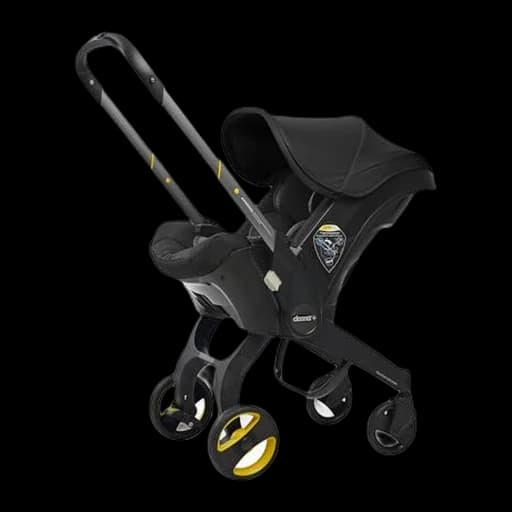
| Doona | Rear-facing infant seat with wheels | 4–30 lb, up to 32 in | 17.4 in | 17.2 lb |
| CARES harness | Aircraft-only harness | 22–44 lb, up to 40 in | Straps round the seat back | About 1 lb |
Two things the table hides. The Pico is forward-facing only, so it is no help for a baby or a young toddler. And CARES only works on the plane — the FAA states it is not approved for use in motor vehicles — so you still need a car seat at the other end.
Width against the seat you bought
Each maker's width, set against the three Southwest figures above. Your airline publishes its own; look up the aircraft on your booking.
| Seat | Width | 15.5 in seat | 17.0 in seat | 17.8 in seat |
|---|---|---|---|---|
| WAYB Pico | 14.5 in | Fits | Fits | Fits |
| Chicco KeyFit 30 | 16.75 in | 1.25 in over | Fits | Fits |
| Clek Fllo | 16.9 in | 1.4 in over | Fits | Fits |
| Doona | 17.4 in | 1.9 in over | 0.4 in over | Fits |
“Over” does not automatically mean refused. The FAA's guidance says a seat whose base is too wide for fixed armrests can be moved to a seat with armrests that lift, and if an approved seat you bought a ticket for does not fit, the airline is responsible for accommodating it in another seat in the same class. Makers also measure differently — Chicco quotes total width, Clek quotes seating width — so treat anything within an inch of the armrest gap as a call to the airline, not a guarantee.
The four seats and the harness in detail
Chicco KeyFit 30 ClearTex — the infant seat to carry on
For a baby, the KeyFit 30 ClearTex is the practical pick. Chicco lists a 9.5 lb carrier, 16.75 inches wide, for babies 4–30 lb and up to 30 inches, and states it is FAA certified for aircraft use. Leave the base at home: Chicco's manual says to install the carrier on a plane the way you would with a vehicle lap belt and no base, on forward-facing aircraft seats only. It clicks into Chicco strollers, which simplifies the terminal.
View on Amazon → Chicco KeyFit 30 ClearTex
Clek Fllo — one seat from infant to preschooler
The Clek Fllo is the only seat here that covers both directions: Clek lists 14–50 lb rear-facing and 26.5–65 lb forward-facing, a 16.9-inch seating width, and states it is certified for use in motor vehicles and aircraft. The cost is weight — 25 lb — so plan on a cart or a wheeled car seat bag. Buy it if the seat you fly with is also the seat you drive with for years.
View on Amazon → Clek Fllo
WAYB Pico — the lightest seat that is still a car seat
At 8 lb and 14.5 inches wide, the WAYB Pico is the only seat here that clears a 15.5-inch airline seat on paper, and WAYB says it folds small enough for most overhead bins and is FAA-approved. The limits are strict: forward-facing only, for children 2 and over who weigh 26.5–50 lb and stand 33.5–45 inches. WAYB notes the requirements can vary slightly by manufacture date, so read the label on yours.
View on Amazon → WAYB Pico
Doona — the car seat that is also the stroller
The Doona is an infant car seat with built-in stroller wheels, so one object covers the terminal and the flight. Doona lists it as TUV and FAA aircraft approved, rear-facing for babies 4–30 lb and up to 32 inches. Two numbers matter: it weighs 17.2 lb, and at 17.4 inches it is the widest seat here. Worth it if you would otherwise fly with a stroller and an infant seat; ask about seat width before you rely on it.
View on Amazon → Doona Car Seat & Stroller
CARES harness — for 22 to 44 lb, bought direct
CARES is a belt-and-buckle harness that loops around the seat back and works with the aircraft lap belt. The FAA certifies it for children up to 40 inches tall who weigh 22–44 lb and can sit upright in their own seat, for every phase of flight including taxi, takeoff and landing. We deliberately link no shop listing: the FAA warns of CARES counterfeits sold online and tells parents to buy direct from the manufacturer. That means kidsflysafe.com, which sells it for maker AmSafe. Check for the FAA approval wording the FAA page lists before your first flight.
Which one for your family
Under 1. The KeyFit 30 for the lighter carry and a stroller you may already own; the Doona for one object from car to cabin. The FAA says the safest place for a child under two is an approved restraint, not your lap.
1 to 2. The Clek Fllo, rear-facing. The Pico and CARES both start above this weight.
2 and up. The Pico if you need a car seat at the destination too; CARES if one is waiting there or you plan to rent — see bringing, renting or skipping a car seat abroad.
Boosters. Leave them in the car. The FAA prohibits booster seats and backless restraints during taxi, takeoff and landing, which is why our travel booster guide is about the car, not the cabin.
Before you fly
- Find the label on the shell, not the box.
- Look up your aircraft's narrowest seat on your airline's site and compare it with the maker's width.
- Buy the child a seat. For a child under two, the FAA says a ticket is the only way to guarantee you can use the car seat.
- Book the window.
- Plan the security line. TSA says car seats must be screened by X-ray, so budget a few minutes at the belt.
Still deciding whether to bring one at all? Start with do you need a car seat on a plane, then come back for the model.