Every parent flying with a young child eventually hits the same fork in the road: do you lug a 20-pound car seat through the airport, gate-check it, buy a separate ticket so it can go on the plane, or just hold the baby on your lap? The honest answer depends on your child's weight, your budget, and how much you value the safest option over the cheapest one. Here is a clear framework that cuts through the confusion.
Want the answer for your exact trip? Our free car seat on a plane checker turns your child's age, weight, seat and airline into one verdict — bring it aboard, gate-check it, use a CARES harness, or fly lap — with the FAA rule behind each one.
Quick answer
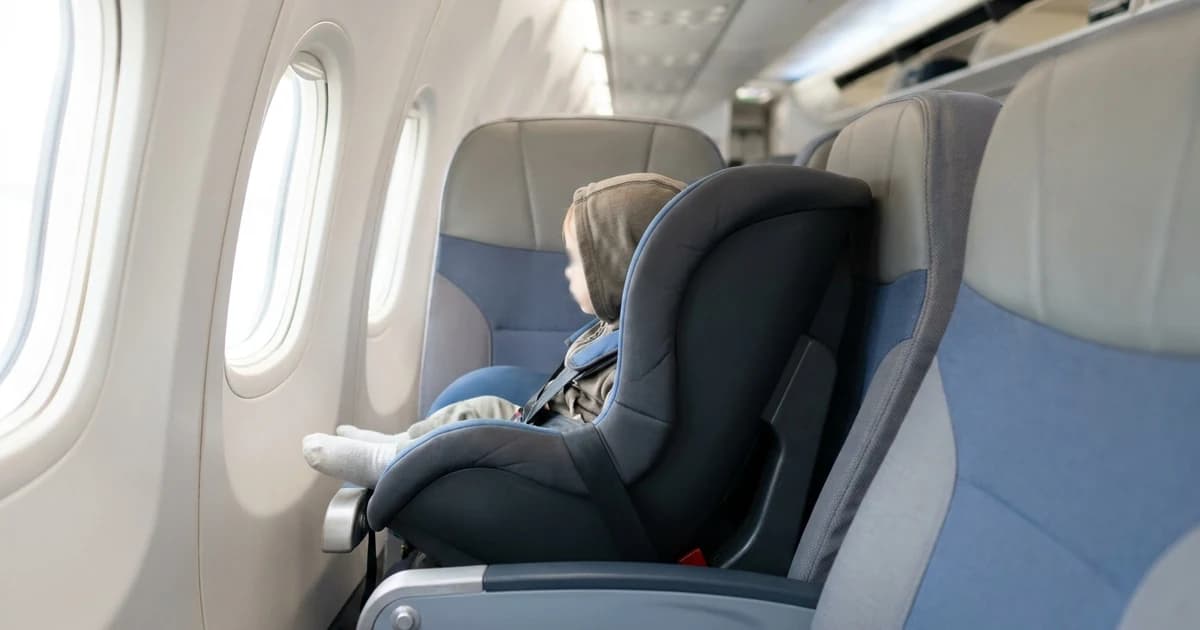
The FAA says the safest place for a child under two on a plane is a government-approved child restraint system buckled into its own seat, not on your lap. You have four legitimate options, each suited to a different situation. The fastest way to decide is by your child's weight.
The four options, side by side
There is no single right choice. Match the option to your child and your trip using this table.
| Option | Best for | Cost | Safety | Hassle |
|---|---|---|---|---|
| Car seat in its own purchased seat | Any age; under-2 if you can buy a seat | Extra ticket + carry the seat | Highest (FAA recommended) | High — heavy to carry |
| CARES harness | Kids 22–44 lb who sit upright | ~$80, reusable, packs tiny | FAA-certified for flight | Lowest — fits in a bag |
| Gate-check the car seat, lap-hold the child | Budget trips with an under-2 | Free to fly; seat rides in cargo | Lowest (lap child) | Medium — risk of damage |
| Buy a seat there / rent | One-way or destination-only need | Varies | Depends on the seat | Medium |
The thing most parents get wrong
A booster seat is not allowed for use during the flight. Boosters need a lap-and-shoulder belt to work, and airplane seats only have a lap belt. The FAA requires that any restraint used in flight be certified for aircraft use, so a booster simply does not qualify. If your child has graduated to a travel booster in the car but still wants restraint on the plane, the CARES harness is the device built for exactly that gap.
The other common mistake: assuming every car seat is plane-legal. It is not. Look on the seat for a label that reads "This restraint is certified for use in motor vehicles and aircraft." A seat approved by a foreign government with the equivalent marking also works. No label, no use in the cabin. Which seats carry that label, and whether they fit the seat you booked, is in our guide to FAA-approved car seats for planes.
When the CARES harness is the smart move
The CARES (Child Aviation Restraint System) device is FAA-certified for children up to 40 inches tall who weigh between 22 and 44 pounds and can sit upright on their own in a forward-facing seat. It is a strap-and-buckle harness that loops over the airplane seat back and clips into the existing lap belt. Buy it from the maker, kidsflysafe.com, rather than a marketplace listing — counterfeit CARES harnesses circulate, and a counterfeit carries no FAA certification at all. It is approved for all phases of flight, including taxi, takeoff, landing, and turbulence.
For a toddler in that weight range, it is the path of least resistance: it weighs about a pound, packs into a diaper bag, and means you never carry a bulky seat through the terminal. The catch is that it only works on aircraft, never in a car, so you still need a real car seat at your destination. In the US, our guide to Uber, Lyft and rental cars with a car seat covers who supplies one and where. If that destination is abroad, our guide to bringing, renting, or skipping a car seat overseas covers which approval marks are legal where.
Why lap-holding is the riskiest choice
It is legal to fly with a child under two on your lap, and airlines cannot stop you. But the FAA is direct about it: your arms cannot hold a child securely during unexpected turbulence, which is when most in-flight injuries to small children happen. The AAP agrees and recommends an FAA-approved hard-backed car seat or harness for every flight. Lap-holding is the cheapest option and the least safe one. If your child weighs under 22 pounds and a CARES harness is not an option, a properly installed car seat in its own purchased seat is the gold standard.
Getting it through security
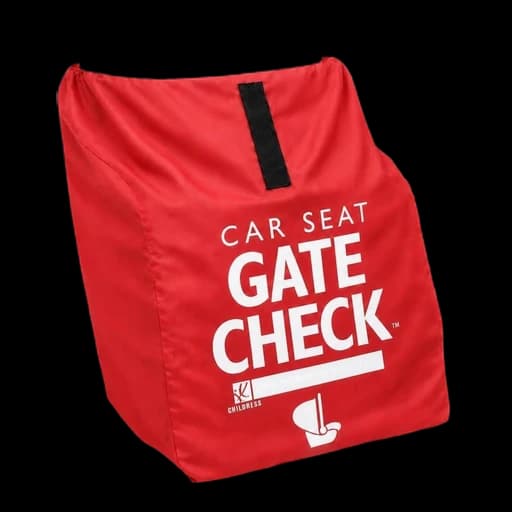
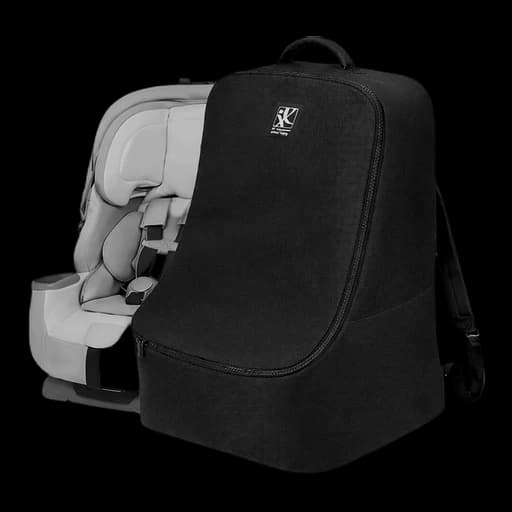
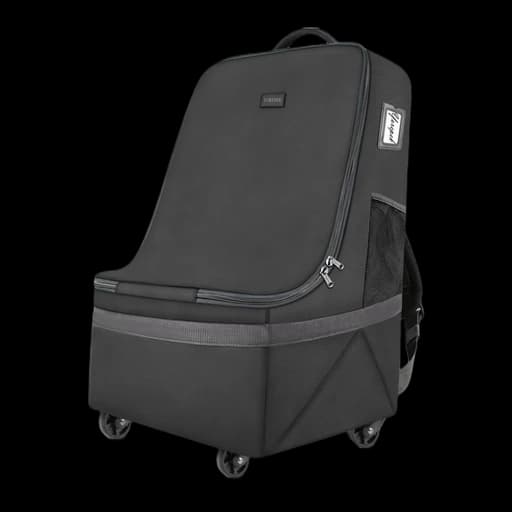
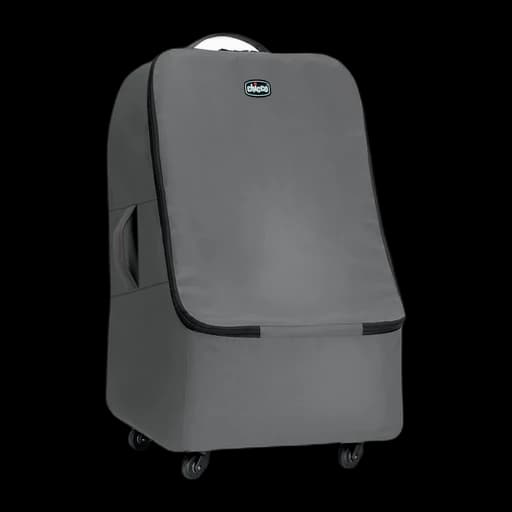
Car seats, booster seats, and strollers all go through the X-ray belt at the checkpoint. You will take your child out of the seat and carry them through the metal detector in your arms (a baby carrier is fine). Helpfully, children 12 and under can leave their shoes, light jackets, and headwear on, and kids are never separated from their parent during screening. Build in a few extra minutes for the seat to clear the belt. Flying from Orlando, Tampa, Honolulu, Salt Lake City, Seattle or one of the other airports in TSA's Families on the Fly program? Look for the dedicated lane for families with children 12 and under. If the seat is being gate-checked rather than used in the cabin, a car seat travel bag keeps it clean and easier to carry.
How to decide in 30 seconds
- Under 22 lb: A car seat in its own purchased seat is safest. On a tight budget, gate-check the seat and lap-hold, knowing it is the riskier call.
- 22–44 lb and sits upright: The CARES harness is the easiest safe option. Buy the child a seat and bring the harness.
- Over 44 lb: Your child uses the regular airplane lap belt — no special device needed in flight, but you still need a car seat or booster waiting at your destination.
Plan the rest of the trip
Once the in-flight seat is sorted, the bigger work is the destination logistics. Our flying with a toddler guide covers snacks, screens, and meltdowns gate to landing, and the first-time travel with a baby guide walks through everything from feeding schedules to nap timing. When you are choosing where to go, our San Diego and Cancun guides are good starting points for short, kid-friendly flights, and the family packing guide keeps the rest of the bag manageable. Once you land and start driving, how long a baby can safely stay in a car seat is the next rule worth knowing.
Sources
- FAA, "Kids' Corner" — safest place for a child under two is an approved child restraint system, not the lap; CARES is FAA-certified for 22–44 lb / up to 40 in; CRS must carry the "certified for use in motor vehicles and aircraft" label (faa.gov/travelers/kids-corner)
- AAP HealthyChildren, "Flying With Baby" — recommends an FAA-approved hard-backed car seat or special harness; lap is not the safest option (healthychildren.org)
- TSA, "Traveling with Children" — car and booster seats are X-ray screened; children removed from seats through the detector; kids 12 and under keep shoes on (tsa.gov)
- TSA, "Families on the Fly" — strollers, baby carriers, car and booster seats must be screened by X-ray; dedicated family lanes for children 12 and under at the listed airports; PreCheck rules for children 17 and under (tsa.gov/travel/travel-tips/families-fly; tsa.gov/precheck/faq)
- Delta, "Children and infant items" — no fees for strollers or child-restraint seats; checked before security or at the gate (delta.com)
- Southwest, "Stroller and child items policy" — one stroller and one car seat checked free per ticketed customer traveling with a child (southwest.com); "Child restraint systems" — window seat preferred, never aisle or exit row (southwest.com)