The short answer
Hotels and resorts quietly handle a lot of safety for you — furniture bolted to the wall, balcony rails to code, staff who've seen a thousand toddlers. A vacation rental or private home is a different world: furnished for adults, with un-anchored dressers, corded blinds, low pools, and cleaners under the sink. The good news is you can make almost any rental toddler-safe in about 20 minutes on arrival.
It's the same logic as water safety at the beach — a few high-stakes hazards do most of the harm, so you handle those first and stop worrying about the rest.
Key takeaways
- Do an arrival sweep before you unpack. Walk the whole place once at toddler eye level, room by room, scanning for the five big hazards below.
- Anchor or avoid tip-over furniture. Dressers and TVs in rentals are almost never secured. An unsecured TV or large piece of furniture kills a child every two weeks in the U.S., and ~80% of those deaths are kids 5 and under.
- Treat windows and balconies as the top risk. Screens do not stop falls. Keep windows open less than 4 inches, lock balcony doors, and move anything climbable away from railings.
- Cut or tie up every blind cord. Corded window coverings are a strangulation hazard — older rentals are full of them.
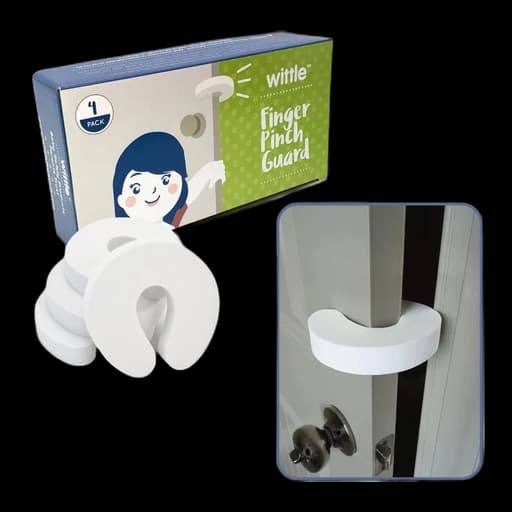
- Pack a tiny safety kit. A handful of outlet covers, a roll of painter's tape, a few foam door pinch guards, and a nightlight cover most of the gaps for under $25.
The 20-minute arrival sweep
The trick is to do this before you let a toddler loose and before the bags explode across the floor. Get down to their height in each room and look for what they'll find — because they will find it within minutes.
| Room | What to handle first |
|---|---|
| Living room | Anchor or move tip-prone TVs/dressers. Tie up blind cords. Add corner protection (or a towel) to glass coffee-table edges and the fireplace hearth. |
| Kitchen | Move cleaning products and sharp tools up high. Latch or tape shut the under-sink cabinet. Note the oven and stovetop knobs. |
| Bathroom | Find every medication, razor, and cleaner and put them up. Never leave standing water in a tub or bucket. Check how hot the tap runs. |
| Bedrooms | Decide where the little one sleeps. Clear nightstands of small objects, cords, and chargers within reach of the bed or crib. |
| Windows & outdoors | Limit how far windows open, lock balcony/patio doors, move climbable furniture from railings, and gate or block any stairs. |
The five hazards that actually matter
Tip-over furniture and TVs
This is the hazard most parents underestimate in a rental. Dressers and freestanding TVs are rarely anchored, and a toddler who pulls open a drawer to climb can bring the whole thing down on themselves. The CPSC found ~80% of furniture, TV, and appliance tip-over fatalities involve children 5 and under, with a child dying in a tip-over roughly every two weeks. If a dresser or TV looks unstable, don't use the drawers, keep your child away, and put heavy items on the bottom shelves. For longer stays, portable anti-tip straps pack flat and install in two minutes.
Windows, balconies, and stairs
Falls are the leading reason young kids end up in the ER on vacation, and rentals — especially apartments and multi-story homes — are full of fall risks a hotel room doesn't have. The single most important fact: a window screen will not stop a child from falling out. The CPSC advises keeping windows open less than 4 inches when young children are around. Lock balcony and patio doors, and move chairs, sofas, beds, and planters away from any window or railing a child could climb. If there are open stairs and you didn't bring a travel gate, block them with luggage or keep that door shut.
Blind cords
Corded blinds and shades are a real strangulation hazard, and older vacation homes are full of them. On arrival, tie every cord up high and out of reach with a rubber band or cord cleat, or wrap them around a wall hook. Never put a crib, bed, or climbable furniture next to a corded window covering.
Poisons, water, and burns
Cleaning supplies under the sink, dishwasher pods, medications left in a bathroom drawer, alcohol on a low shelf — a rental wasn't curated for a toddler, so the first thing to do is gather these and put them up high. Two more quiet risks:
- Standing water. A child can drown in a couple of inches. Never leave water in a tub, a mop bucket, or a kiddie pool, and keep the bathroom door closed.
- Hot tap water. You can't reset a rental's water heater, and some run hot. As a reference point, the AAP recommends a home water heater max of 120°F — at 140°F, hot water causes a serious burn on a child's thin skin in about 6 seconds, and at 150°F in just 2. Always run cold first, test bathwater with your wrist, and never let a toddler turn the tap.
Small objects, cords, and outlets
At toddler height you'll spot what the listing photos never show: button batteries in a remote, magnets on the fridge, phone chargers dangling off a nightstand, and uncovered outlets. Sweep coins, batteries, pen caps, and decorative beads out of reach, tuck cords behind furniture, and pop a cheap outlet cover into the sockets near the floor where your child plays.
What people get wrong
The most common mistake is assuming a rental is "basically a hotel." It isn't — hotels are designed and inspected for a constant stream of families, while a private home or short-term rental is furnished for whoever lives there. Three specific traps:
- Trusting the window screen. It's the number-one false sense of security. Screens are made to keep bugs out, not children in.
- Assuming the host childproofed. Even listings tagged "family friendly" often just mean a crib is available, not that anything is anchored or latched. Verify it yourself.
- Skipping the sweep because it's "just one night." Most injuries happen in the first hour, in an unfamiliar space, while the adults are distracted by luggage. The 20-minute sweep matters most on the shortest stays.
One thing people over-worry about: you don't need to bring a suitcase of gear. A few outlet covers, painter's tape (it latches cabinets and tapes down cords without damaging surfaces), a couple of adjustable cabinet latches, and a portable nightlight cover 90% of the gaps. Build it into your family packing list so it's always in the bag.
A quick message to your host
You can do a lot of this work before you even arrive. When you book, a short note to the host saves you guessing: "We're traveling with a 2-year-old — could you let me know if the dressers and TV are anchored, whether the windows have guards, and if there are corded blinds? Happy to handle the rest myself." Hosts who care about families answer happily, and the answer tells you how much of your kit you'll actually need. If you're still deciding between a rental and a resort for exactly these reasons, our guide on vacation rentals vs. all-inclusives vs. hotels walks through the trade-offs for families.
Where this fits in your trip planning
Childproofing is one piece of arriving prepared. If this is your first trip with a little one, our first-time travel-with-a-baby guide covers sleep, feeding, and gear on the road, and our flying-with-a-toddler tips handle the part before you reach the rental. Picking somewhere with a relaxed, family-built setup helps too — our best family beach destinations lean toward calm-water, low-key spots where childproofing is a quick job rather than a project.
Sources
- CPSC — Childproofing Your Home — safety latches, gates, outlet covers, door knob covers, anti-scald devices, window guards, corner bumpers.
- CPSC Anchor It! — Tip-Over Statistics — ~80% of tip-over fatalities are children 5 and under; a child killed roughly every two weeks.
- AAP HealthyChildren — Treating and Preventing Burns — 120°F water-heater recommendation; scald timing at 140°F and 150°F.
- AAP HealthyChildren — Home Safety for Young Children — windows open from the top, window guards, no climbable furniture by windows, cordless blinds.
- Nationwide Children's — Window Blind Safety — corded-blind strangulation risk and cordless alternatives.