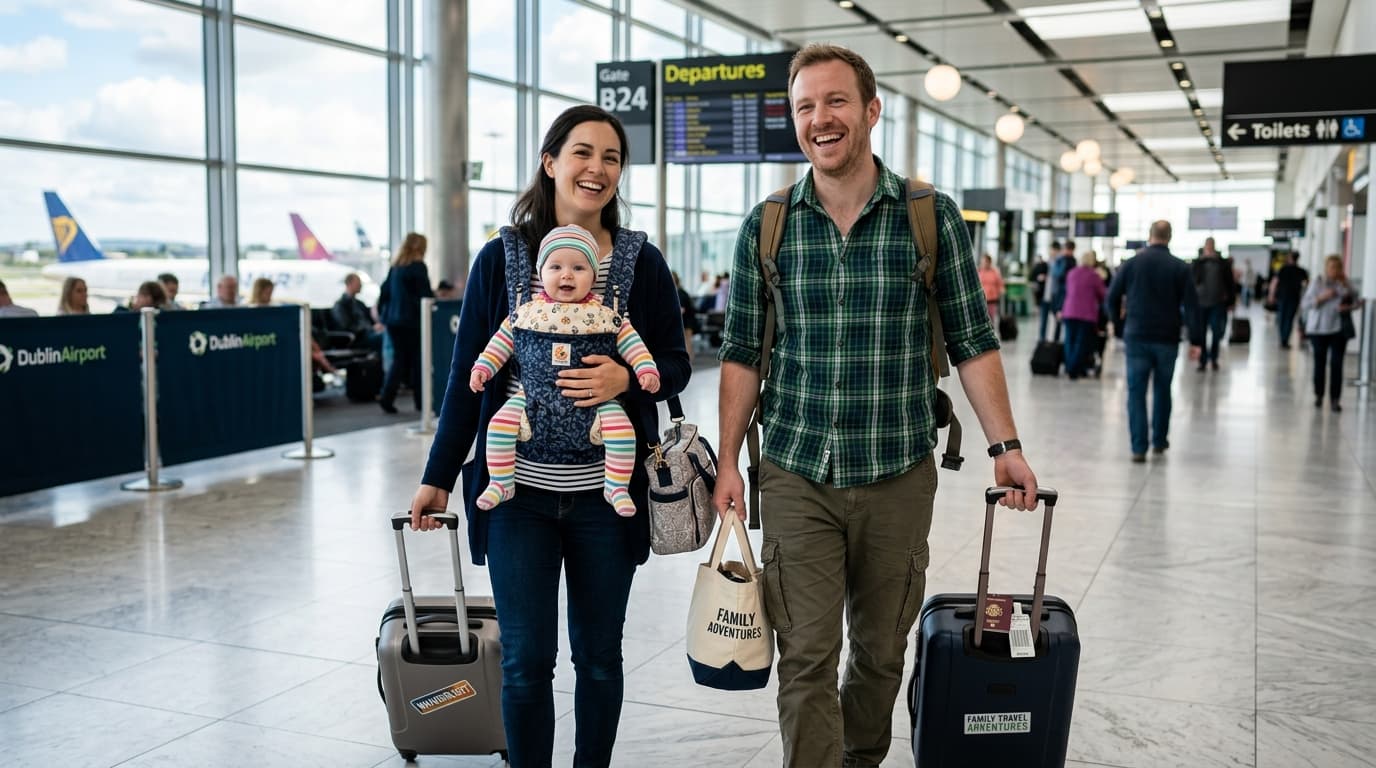
Your First Trip with a Baby Does Not Have to Be Terrifying
The first trip with a baby feels like a monumental undertaking. You are leaving the controlled environment of home for the unpredictability of travel with a tiny human who cannot tell you what they need. But here is the truth that seasoned traveling parents know: babies are actually easier travel companions than toddlers. They sleep more, they cannot run away, and they do not have opinions about restaurant choices yet. The key is preparation, realistic expectations, and accepting that this trip will look different from your pre-baby vacations.
When Is Baby Old Enough to Travel?
Most pediatricians clear babies for air travel after two weeks of age, though many recommend waiting until six to eight weeks when the immune system is more developed. For road trips, there is no minimum age beyond being discharged from the hospital. The practical sweet spot for a first trip is between two and five months. Babies in this window are portable, sleep frequently, and are not yet mobile. Once crawling starts around six to nine months, travel logistics increase significantly. Talk to your pediatrician about your specific travel plans, especially for international destinations.
Flying vs. Driving with a Baby
For distances under five hours of driving, the car is usually easier. You control the environment, can stop whenever needed, and avoid the stress of airports. For longer distances, flying saves total travel time even with airport logistics. Key factors: car seats are required for driving and recommended for flying. Babies under two fly free as lap infants on domestic flights, though buying a seat with a car seat is safer. For your first flight with a baby, choose a short direct route to build confidence before tackling long-haul trips. See our flying tips guide for detailed flight preparation.
Essential Gear for Traveling with a Baby
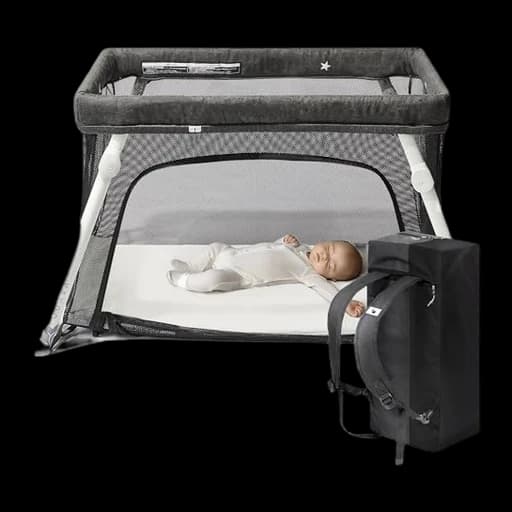
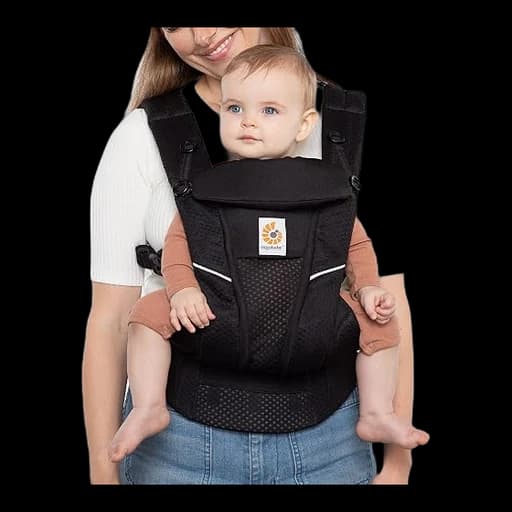
Resist the urge to pack everything you own. Essential travel gear includes a lightweight travel stroller or carrier, a portable crib or bassinet confirmed with your accommodation, a car seat for driving destinations or flight use, a diaper bag stocked for 24 hours beyond your travel time, a portable sound machine for sleep consistency, and a waterproof changing pad. Skip the swing, the bouncer, and the specialty items that take up luggage space. Many hotels and vacation rentals offer baby gear packages, so check before packing. If you are still choosing the travel crib itself, Cribworthy’s travel cribs and gear reviews compare the three specs that actually matter on the road: weight, folded size, and setup time. For a complete gear list, see our packing guide for baby's first flight.
Feeding on the Go
Breastfeeding While Traveling
Breastfeeding simplifies travel logistics enormously since no bottles to wash, no formula to measure, no warming needed. Feed during takeoff and landing on flights to help with ear pressure. Bring a nursing cover if you prefer privacy, though you have the legal right to nurse anywhere in all 50 states. Stay hydrated yourself, especially at altitude where dehydration accelerates. Pack nipple cream and breast pads in your carry-on.
Formula Feeding While Traveling
Pre-measured formula dispensers keep portions ready without the mess of scooping in a cramped airplane seat. TSA allows formula, breast milk, and baby food in quantities exceeding 3.4 ounces, so pack generously. Bring bottled water for mixing since unfamiliar tap water can upset baby's stomach. Portable bottle warmers that run on USB power work in cars, airports, and hotel rooms. Pack two more bottles than you think you need for travel days.
Sleep Strategies Away from Home
Sleep disruption is the number one challenge of traveling with a baby. Minimize the impact by bringing your baby's sleep cues from home: the sound machine, a familiar swaddle or sleep sack, and their usual pajamas. Darken the room with portable blackout curtains or even large garbage bags taped over windows in a pinch. Maintain your bedtime routine as closely as possible, even in a new location. For the first night, expect disrupted sleep and do not schedule anything demanding for the following morning. Most babies adjust within one to two nights.
Health and Safety Checklist
Schedule a pre-trip pediatrician visit two to three weeks before departure. Discuss your destination, confirm vaccinations are current, and get prescriptions for infant pain reliever and any travel-specific medications. Pack a first aid kit with a digital thermometer, infant acetaminophen if age-appropriate, saline drops, diaper cream, gas drops, and any prescription medications. Know the location of the nearest hospital or urgent care at your destination. For international travel, verify your health insurance covers overseas medical care or purchase travel insurance with medical coverage.
Managing Schedules on Vacation
The rigid schedule versus go-with-the-flow debate depends on your baby. If your baby thrives on routine, protect nap times and bedtime above all else. Plan activities around the schedule, not the other way around. If your baby is adaptable, you have more flexibility but should still prioritize overnight sleep consistency. A useful compromise: keep the morning nap sacred for your sanity and be flexible with afternoon schedules. Accept that you will move at a slower pace than pre-baby travel and that is perfectly fine.
What NOT to Bring
Skip the full-size stroller in favor of a compact travel stroller or carrier. Leave the baby bathtub since a towel in the hotel sink works fine. Do not pack more than four days of diapers since you can buy them anywhere. Skip the baby food maker and bring shelf-stable pouches instead. Leave specialty toys at home since babies are entertained by new environments themselves. Do not bring anything that requires assembly. Every unnecessary item adds weight and stress to your travel.
Setting Realistic Expectations
Your first trip with a baby is about testing the waters, not achieving a Pinterest-perfect vacation. Plan for one major activity per day maximum. Build in buffer time for everything since feeding, changing, and nap schedules will slow you down. Accept that you will spend more time in your hotel room than you used to. Some meals will be room service eaten in shifts while one parent walks a fussy baby. That is normal, and it does not mean the trip is ruined. The goal is to prove to yourselves that travel with a baby is possible, because once you do it the first time, every subsequent trip gets easier.