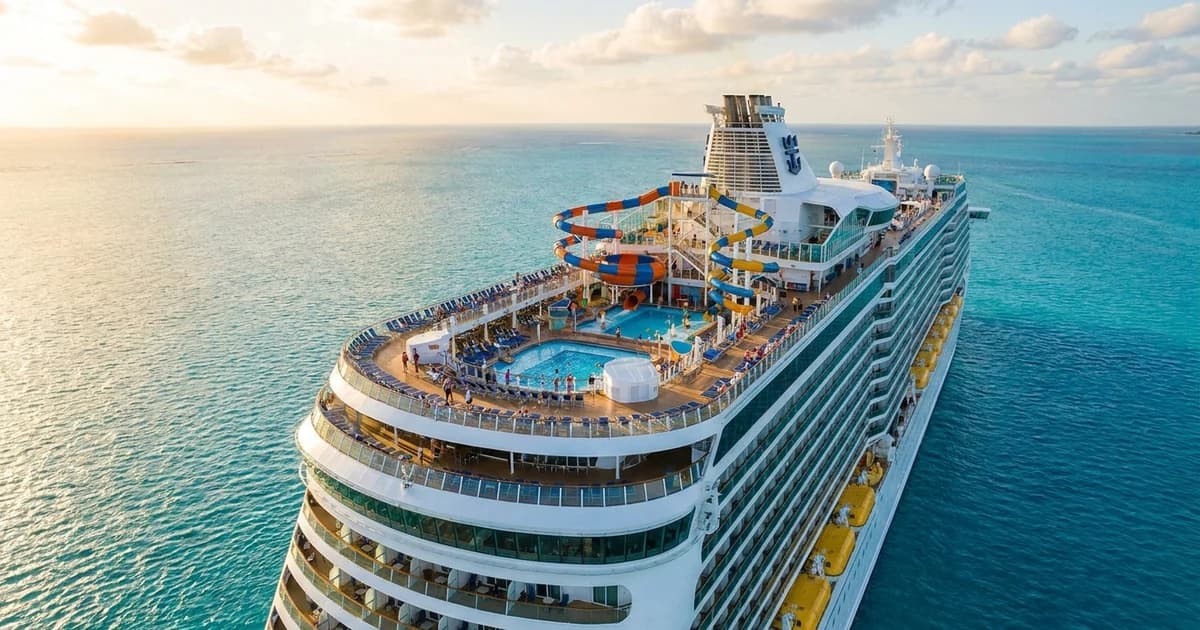
You Picked the Line. Now Pick the Right Ship.
Most families spend weeks agonizing over which cruise line and almost no time on which ship. That's backwards. Two ships in the same fleet can be completely different vacations: one a fifteen-year-old vessel with a single splash pad and a kids' club that tops out at age eleven, the other a brand-new mega-ship with a full water park, four pools, and dedicated teen spaces. The line is a brand promise. The ship is your actual week.
Here's the honest framework for choosing the ship itself, once you've narrowed the line — five things: how new the ship is, what's on the kids' deck, the cabin you book, the dining setup, and the one almost nobody checks: its public health inspection record.
Key Takeaways
- Ship age matters more than line. Newer ships have the water parks, the larger kids' clubs, and the family cabins. An older ship in a "premium" line can have less for kids than a new ship in a budget one.
- Match the kids' club age bands to your actual kids. Clubs split children into narrow age groups, and most require children to be fully potty-trained — diapers usually disqualify a toddler from the drop-off club.
- Cabin location is a real decision, not an upsell. Midship lower decks reduce motion; connecting and family cabins exist on some ships and sell out first.
- Check the CDC inspection score for the exact ship before you book — the U.S. government publishes them free.
- What most people get wrong: booking the line's flagship marketing image, then sailing on its oldest ship in the fleet.
1. Ship Age and Size: The Single Biggest Lever
The newest ships in any fleet are where the family money goes. Water slides, ropes courses, surf simulators, multiple pools, expanded kids' facilities — these get built into new hulls, not retrofitted into old ones. When a line is called "great for families," that reputation is usually carried by its two or three newest ships; the older vessels can be quieter, smaller, and far less kid-oriented.
Bigger isn't automatically better, though. A mega-ship carrying 5,000-plus passengers has more to do but also longer waits, bigger pool crowds, and a long walk from a far-aft cabin to the kids' club at 8 a.m. with a stroller. Smaller ships feel calmer and easier to navigate with little kids, at the cost of fewer headline attractions.
The practical rule: figure out the line first, then look up which specific ships in that fleet were launched most recently, and book one of those if your kids are old enough to use the water park and clubs. If you have a baby or a calm toddler, a smaller, easier-to-navigate ship can beat the giant one.
If you're still deciding between lines entirely, our family cruise line by kid age guide sorts the brands by your children's ages first.
2. The Kids' Deck: Read the Age Bands Before You Book
Every family cruise ship splits children into supervised age groups — typically something like 3–5, 6–8, 9–11, and a separate teen space for 13–17. The exact bands differ by ship, and they matter more than the brochure photos. If your two kids land in different bands, they'll be in different rooms; if your nine-year-old just missed the cutoff into the tween group, they may be stuck with the little kids all week.
Two things to confirm for the specific ship:
- The minimum age and potty-training rule. Most drop-off kids' clubs require children to be fully toilet-trained and out of diapers and pull-ups; a child still in diapers usually can't be left in the club at all, and you'll be paged. Some ships offer a separate paid nursery for babies and non-potty-trained toddlers, but not all do, and hours are limited.
- The teen space. Older ships sometimes fold teens into the main club or have nothing dedicated. If you have a thirteen-to-seventeen-year-old, a real teen lounge is the difference between a willing traveler and a sulking one.
Cruise pools are also a genuine water-safety setting, and many ships do not staff every pool with a lifeguard. The American Academy of Pediatrics recommends "touch supervision" for young children in and near water — staying within arm's length and giving close, constant attention, not watching from a deck chair. The AAP frames water safety as "layers of protection" rather than any single safeguard. On a ship, that means you're the lifeguard; pick a ship whose pool layout lets you actually see and reach your kids.
3. The Cabin: Location Is a Decision, Not an Upsell
The cabin you book shapes the trip more than families expect. Three things worth getting right:
- Motion. Lower decks and midship cabins move the least. If anyone in the family is prone to seasickness, book midship and low rather than high and forward.
- Family and connecting cabins. Many newer ships have dedicated family staterooms (more beds, sometimes a split bath) and connecting-cabin pairs. These are limited in number and sell out earliest — if you need one, book early or you'll be choosing between cramming four people into a standard room or paying for two.
- Balcony vs. interior with a toddler. A balcony is lovely and a real fall hazard for a curious toddler; if you book one, the railing and door latch become part of your supervision plan.
Our first family cruise checklist walks through the interior-vs-oceanview-vs-balcony tradeoff in more depth, plus what to actually pack.
4. Dining: Match the Format to Your Kids' Bedtime
Ships run dining in different formats, and the format determines whether dinner is relaxing or a nightly negotiation. Traditional fixed seating assigns you a set time and table each night — predictable, good for tired toddlers, but an early or late slot can clash with naps and bedtimes. Flexible "anytime" dining lets you show up when you want, which suits older kids and unpredictable days but can mean waits at peak hours.
For families with young children, a buffet that opens early and a ship with casual quick-serve options matters more than the fanciness of the main dining room. Confirm the specific ship has kid-friendly casual dining with hours that fit a 6 p.m. dinner.
5. The CDC Inspection Score (The Check Almost No One Does)
This is the free, government-backed check that families skip. The U.S. CDC's Vessel Sanitation Program inspects cruise ships that call on U.S. ports across eight major operational areas, and it publishes every ship's inspection scores and reports publicly, including the violations found and how the ship addressed them. You can look up the exact ship you're considering on the CDC's free inspection search tool.
Why it matters for families: the CDC notes cruising exposes passengers to high volumes of people and the risk of gastrointestinal illness spread by food, water, and person-to-person contact — and norovirus on a ship with a young child mid-cruise is a vacation-ender. With more than 20 million passengers embarking from North American ports in 2025, these are crowded environments. A recent report won't guarantee a clean week, but a ship with a weak record and unresolved violations is a checkable warning sign that costs you five minutes.
Putting It Together
The workflow that works: pick the line for its brand and itinerary fit, then choose the ship by checking, in order, how new it is, whether the kids' club age bands and potty rules fit your children, whether the cabin you need is available, the dining format, and the CDC score. A new ship in a "budget" line frequently beats an old ship in a "premium" one for a family with kids who want a water park. The marketing sells you the line; the ship is what you sail on.
Comparing two specific lines head-to-head? Start with Royal Caribbean vs Carnival or Disney vs Royal Caribbean, then drill down to the newest ship in whichever line wins.
Sources
- CDC, Vessel Sanitation Program (About) — VSP inspects ships in eight operational areas and publishes scores/reports; 20M+ passengers embarked from North American ports in 2025; illness-spread risk on ships.
- CDC, Public Health Inspections — all inspection scores and reports are posted publicly, with violation details.
- American Academy of Pediatrics (HealthyChildren.org), Water Safety for Young Children — "touch supervision" within arm's length; "layers of protection" for water safety.