The Big Island is the adventure island, not the resort island
Most families picture Hawaii as a calm beach, a pool with a swim-up everything, and a kids' club. That's Maui or the resort strip of Oahu. The Big Island can do that on its Kona (west) side, but it isn't why you come here. This is the island where a five-year-old watches an active volcano glow at dusk, a tween snorkels over manta rays at night, and a restless teen actually wants to be outside because the landscape changes every hour. Treat it like a sit-by-the-pool island and you'll wonder why you flew so far. Treat it like a national-park-meets-ocean adventure and it's one of the best family trips in the country — no passport, domestic flight prices, American grocery stores and car seats.
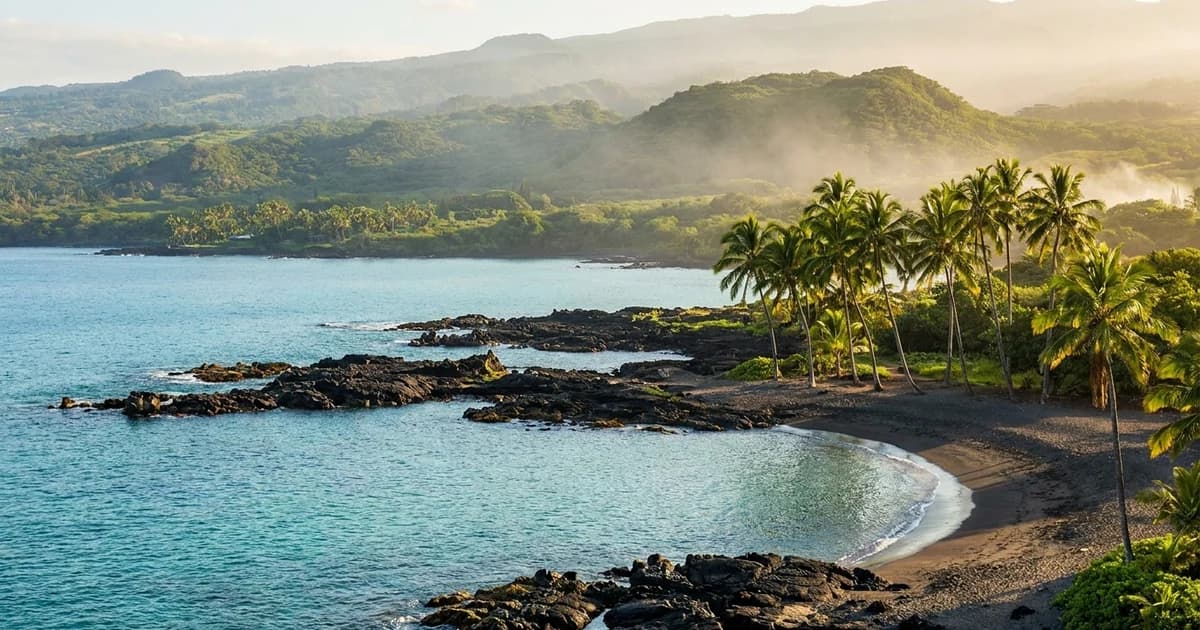
The catch is scale. Hawaii Island is larger than every other Hawaiian island combined, with 11 of the world's 13 climate zones packed onto it. You can drive from a black sand beach to a 13,796-foot summit in a couple of hours. That's the appeal and the trap — families try to "see it all" from one hotel and spend the trip in the car instead of on the trip.
Key takeaways
- Pick a side, don't straddle the island. The sunny, dry Kona/Kohala (west) coast is where the family resorts and calm snorkel beaches are. The lush, rainy Hilo (east) side is where the volcano lives. They're a 2–2.5 hour drive apart — base on one, day-trip the other, don't split your stay down the middle.
- The volcano is the headline, and it's kid-proof. Hawaiʻi Volcanoes National Park has seen active Kīlauea eruptions in most recent years, with viewable glow from paved, stroller-friendly overlooks — no hiking required to see something genuinely awe-inspiring.
- Match the activity to the kid, not the brochure. A toddler and a 15-year-old want completely different things here, and the island rewards both — if you plan by age band instead of by "top 10 list."
- Build in slow days. The single biggest mistake is over-scheduling a huge island; jet lag plus long drives plus three attractions a day breaks little kids and sours teens.
Is the Big Island good for your family? It depends on the kid
The honest answer is that the Big Island is a 9-out-of-10 family destination, but the reasons it's great change completely with age. Here's how the island actually pays off per kid, and where it doesn't.
| Kid age | What lands | What to skip / watch |
|---|---|---|
| Babies & toddlers | Calm Kona-side swim coves, shaded resort pools, short volcano overlook drives (sleep in the car en route), tide-pool wading. | Mauna Kea summit (altitude unsafe for under-3s and not recommended for young kids), long open-ocean boat tours, midday sun. |
| School-age (5–8) | The volcano steam vents and lava-glow overlooks, the free NPS Junior Ranger badge, green/black sand beaches, easy guided snorkel. | Strenuous lava-field hikes; pace it to one big thing per day plus a beach. |
| Tweens (9–12) | Manta ray night snorkel (the signature wildlife moment), short volcano hikes, Mauna Kea stargazing from the visitor station, ziplines. | Don't assume they'll tolerate three museums; this island is for doing, not viewing from a window. |
| Teens (13–17) | Manta or open-water snorkel/dive, surf or SUP lessons, the Mauna Kea sunset+stars trip, real hikes, a self-driven "we explored a volcano" story for their feed. | Resort-only plans bore teens fast — give them one genuinely adventurous half-day and they're in. |
| Multi-gen | Kona-side resort base so grandparents have a low-effort home; everyone day-trips to the volcano at their own pace (drive-up overlooks need no fitness). | Altitude on Mauna Kea rules out some grandparents and young kids; keep that an optional split-off, not a whole-group plan. |
See the full breakdown of beaches, resorts, and costs on our Big Island family destination guide.
Which side to base on — the decision that shapes the whole trip
This is the question most family trip reports get wrong. The Big Island has two completely different climates on two coasts, and where you sleep determines whether your days feel relaxed or feel like commuting.
- Kona / Kohala Coast (west): sunny, dry, calm water, the family resorts, the manta ray tours, the swimmable beaches. Fly into Kona (KOA). This is the right base for most families, especially with little kids or grandparents. The volcano is a long but very doable day trip.
- Hilo (east): lush, rainy, waterfalls, closest to Hawaiʻi Volcanoes National Park. Fly into Hilo (ITO). Base here only if the volcano is your trip's whole reason, or split a stay (a few nights west for beaches, one or two east near the park) if you have a full week and don't mind one mid-trip move.
What to refuse: a single hotel you "day-trip everywhere" from. The two coasts are 2–2.5 hours apart. A daily round-trip across the island with carsick kids is the fastest way to waste a Hawaii vacation.
The volcano, made easy for families
Hawaiʻi Volcanoes National Park is the one must-do, and the good news is the most jaw-dropping part — Kīlauea's glowing summit during an active eruption — is visible from paved overlooks you can reach with a stroller. You do not need to be a hiker. Plan it as a late-afternoon-into-dusk visit so kids see daylight features first and then the glow as it gets dark.
Practical notes that save a family day:
- Entry fee: the park charges roughly $15–$30 per vehicle, and that pass is good for 7 days — so one fee covers multiple visits if you're staying nearby. A Hawaiʻi Tri-Park Annual Pass ($55) pays off if you'll also visit the state's other parks.
- Junior Ranger: the park runs the NPS Junior Ranger program — kids complete a free activity booklet and earn a badge. It turns "looking at a crater" into a mission for a 6-year-old, and it's free.
- Eruptions change. Kīlauea's activity comes and goes; check the park's current conditions page before you build your day around lava glow, and have a daytime plan (steam vents, lava tube, Crater Rim overlooks) that's worth it regardless.
What most families get wrong
They expect Maui and book the Big Island. If your whole crew wants nothing but a long calm beach day, a kids' club, and a swim-up bar, Maui or a resort island delivers that with less effort. The Big Island's beaches are real but fewer and more scattered, and the magic is the volcano, the wildlife, and the wild landscape. Come for that, base on the Kona side for the beach time, and you get the best of both. Come expecting a pool-only week and the long flight feels wasted.
The second mistake is treating the ocean as a backyard pool. Even calm-looking Hawaiian beaches have currents and shore break that surprise mainland families. The State of Hawaii's official guidance is blunt: always swim at a lifeguarded beach, watch posted warning signs, and keep kids within arm's reach in the water. Pick your snorkel coves by where the lifeguards are, not by the prettiest photo.
A sane week, without the car-commuting
You don't need a rigid itinerary — you need a shape. For a first family week most families do well basing on the Kona/Kohala side and treating it like this: a couple of unhurried beach-and-pool days to recover from the flight, one big volcano day (drive over, see it at dusk, drive back or overnight near the park once), one ocean adventure day matched to your oldest kid (manta snorkel for tweens/teens, gentle guided snorkel for littles), and a slow day with nothing scheduled. That's it. The island is too big and too varied to "complete," and the families who try are the ones who come home tired instead of recharged.
When you're ready to map specific days by your kids' ages, our age-aware planning tools and the Big Island guide break down beaches, resorts, flight times, and month-by-month weather so you can pick the right base and the right season.
Sources
- Hawaiʻi Volcanoes National Park — National Park Service (active Kīlauea, things to do, current conditions)
- Hawaiʻi Volcanoes National Park — Fees & Passes (NPS) ($15–$30/vehicle, 7-day validity, $55 Tri-Park Annual Pass)
- NPS Junior Ranger Program
- Hawaii Ocean Safety — State of Hawaii (swim at a lifeguarded beach, obey warning signs)