Airports Do Not Have to Be Torture with Kids
The airport is often the most stressful part of family travel. You are managing luggage, boarding passes, security lines, and restless children in a space designed for efficiency, not entertainment. But with the right approach, the airport can actually be part of the adventure. These fifteen strategies transform dead time into fun time, keeping kids engaged from check-in to boarding. The key is reframing the airport as an experience rather than an obstacle. For more flight preparation tips, see our flying with a toddler guide.
1. Scout Airport Play Areas in Advance
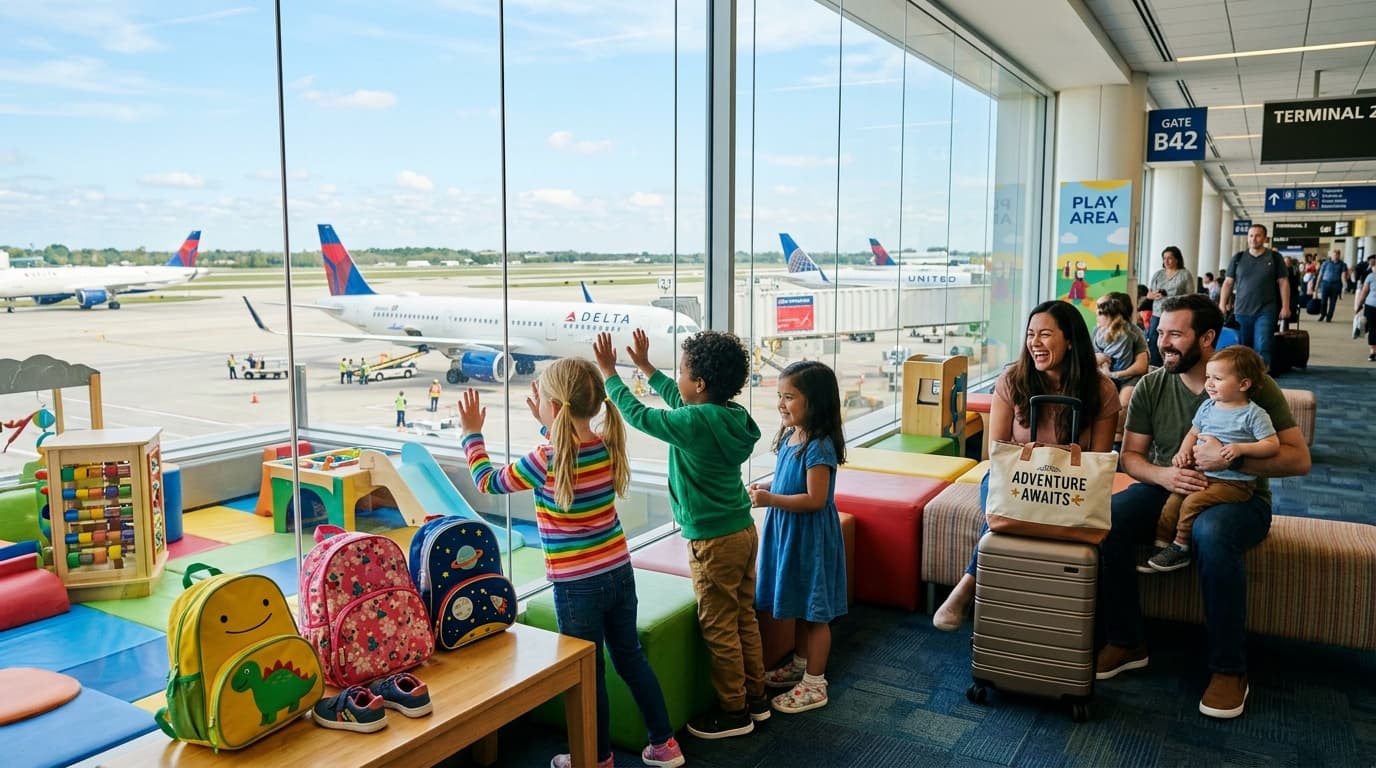
Many major airports now have dedicated children's play areas, and knowing where they are before you arrive saves precious time. Denver has a full indoor playground near gate B44. Minneapolis-St. Paul has a play area in Terminal 1 near gate F10. Chicago O'Hare has a kids museum exhibit in Terminal 2. Dallas Fort Worth has play areas in Terminals A, B, and E. Search your airport's website before departure and plan your route through the terminal to include a play area stop. Even 20 minutes of physical play dramatically reduces gate-area restlessness.
2. Prepare a Tablet with Fresh Content
Download new shows, movies, and games the night before. Novelty buys more engagement than familiar favorites. Download at least four hours of content since delays happen without warning. Invest in kid-sized headphones with volume limiters. Bring a portable charger. But ration screen time: save the tablet for the flight and use non-screen activities at the airport when possible.
3. Airport Scavenger Hunt
Create a simple list before you leave home: find a pilot, a yellow suitcase, someone eating pizza, a dog, a plane taking off, a moving walkway, a water fountain, and a clock. Print it or write it on a notecard. Kids become observant detectives, scanning the terminal for each item. This turns idle waiting into an active game and works for ages three through ten. Older kids can use a phone camera to document their finds. Award a small prize from your carry-on when the list is complete.
4. Airport Bingo
Similar to the scavenger hunt but played on a bingo card grid. Include items like: stroller, backpack, coffee cup, someone sleeping, a family with a baby, headphones, a hat, and a suitcase with wheels. First to get five in a row wins. Print cards before your trip or draw a quick grid at the gate. This game quietly occupies kids for 20 to 30 minutes and requires no supplies beyond a pen and paper.
5. Window Watching Activities
Gate windows are free entertainment. Challenge kids to count planes of a specific airline color. Watch luggage being loaded onto aircraft and guess what is in the suitcases. Identify different types of airport vehicles: fuel trucks, baggage carts, de-icing machines, pushback tugs. For aviation-curious kids, explain what each vehicle does. Time how long it takes a plane to taxi from the gate to the runway. This activity naturally segments time and keeps kids oriented toward the window rather than running through the terminal.
6. Strategic Snack Timing
Time snacks strategically to fill gaps between activities rather than letting kids graze freely. Bring a variety in separate containers so each snack feels like an event. Save the most exciting snack for the 20-minute window before boarding when restlessness peaks. Let kids choose from two options since the act of choosing adds engagement time. Protein-rich options like cheese sticks and nut butter packets provide steady energy without sugar crashes.
7. Walking Games
Airports have long corridors that are perfect for burning energy. Play a modified version of red light green light using gate signs as markers. Count steps between two points and see if you can match the count on the way back. For toddlers, simply walking to the window and back is an adventure repeated happily a dozen times. Time a speed walk between gates and try to beat your record. Walking games tire kids out physically while covering the distance your gate change just required anyway.
8. Coloring and Activity Kits
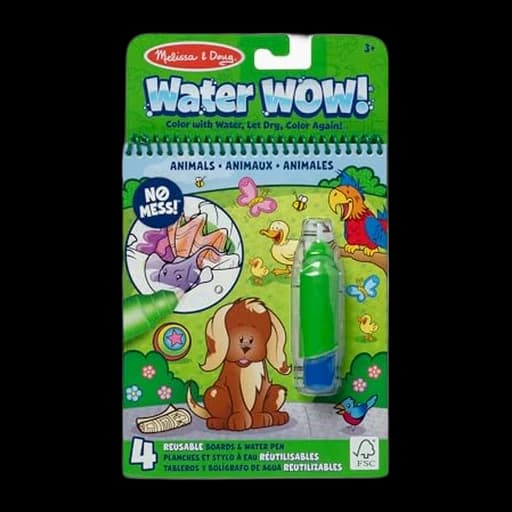
A zip-lock bag with crayons, a coloring book, stickers, and a notepad provides 30 to 45 minutes of quiet gate entertainment. Water wow pads are mess-free and reusable. Magnetic drawing boards offer endless doodling without loose pieces falling under seats. Let kids draw what they see at the airport for a travel journal effect.
9. Interactive Apps for Airport Waits
PBS Kids Games, Toca Life World, and Khan Academy Kids are ad-free and engaging. Avoid games that require WiFi since airport connections are unreliable. Set a timer so screen time does not consume the entire wait. Use apps as a reward for completing non-screen activities first.
10. People Watching Games
Make up stories about fellow travelers. That person with the cowboy hat is a rodeo champion. The woman with four bags is a secret agent. For older kids, guess destinations from luggage tags. This develops observation skills and creativity while being endlessly entertaining. Keep voices at a whisper to maintain polite distance.
11. Airport Lounges with Family Areas
Many lounges welcome families with dedicated children's spaces, quieter seating, and better food. At $50 to $75 for a day pass, a lounge is worth the cost during a three-plus hour layover. Check if your credit card includes lounge access. Some lounges restrict children during certain hours, so verify policies before purchasing.
12. Time Your Arrival Strategically
Arriving too early creates unnecessary airport time. For domestic flights, 90 minutes is sufficient with TSA PreCheck, two hours without. For international flights, two and a half to three hours is standard. The goal is enough time to get through security comfortably with a 30-minute buffer, not so much that kids exhaust their patience before boarding.
13. Moving Walkways and Escalators as Entertainment
For toddlers, moving walkways are magic carpets and escalators are rides. Walk the walkway forward, then race alongside it going back. Ride up the escalator and take the elevator down. These built-in features provide five to ten minutes of entertainment each. Supervise closely on escalators.
14. Make Friends with Other Traveling Families
Airports are full of other families in the same situation. Kids naturally gravitate toward other kids at the gate. Encourage this since having a temporary play companion makes the wait fly by. Parents of traveling kids share an unspoken bond and are usually happy to let children play together. This is especially valuable on a long layover when your one-on-one entertainment repertoire is running thin. Just keep an eye on the boarding announcements.
15. Simple Relaxation Techniques
Sometimes calming down beats ramping up. Teach breathing exercises: smell the flower and blow out the candle works for young children. Play quiet Simon Says with slow movements. For anxious flyers, these techniques double as coping skills for the flight. A calm child boards better than an overstimulated one. For in-flight strategies, see our long-haul flight survival guide.
Packing Your Airport Entertainment Kit
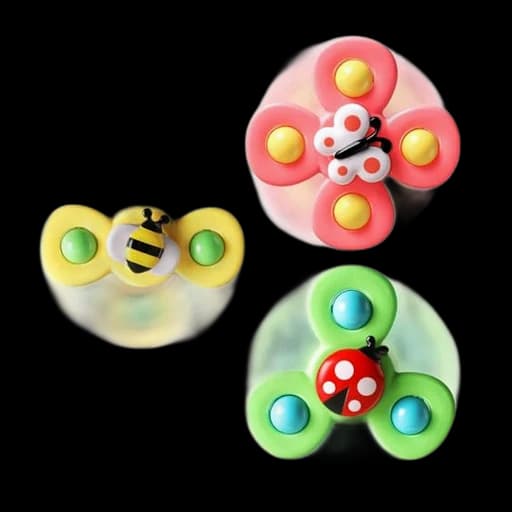
Keep a dedicated zip-lock bag in your carry-on with: a coloring book and crayons, stickers, a small notepad, a printed scavenger hunt sheet, one new small toy, headphones, and a portable charger. This airport kit weighs under a pound and covers hours of entertainment. Refresh it before each trip with new items to maintain novelty.