5-Day Tokyo Itinerary for Tweens
These actions run in your browser. They do not create an account or send your itinerary preferences anywhere.
Budget
$4,000–$8,000
Mid-Range
Group estimate
Luxury
Varies by resort
Best Months
Mar, Apr, Oct
Ready to plan
Book the trip pieces
This is the practical next step: check family-room availability, reserve age-friendly activities, and pack the gear this itinerary assumes you have.
Links may earn Tots & Trips a commission at no extra cost to you. Recommendations stay independent.
Make it fit your family
Adjust this Tokyo, Japan itinerary
Slower pace
Treat each morning as the anchor and make the afternoon block optional.
Age-group lens
This plan is tuned for tween travelers, so keep the highest-energy activity early and preserve a low-stakes fallback.
Highlights
Day-by-Day Plan
Day 1: Arrival and Settle In
Morning
Arrive, IC cards, hotel. Then: Shibuya Crossing at 11am — stand on the famous scramble crossing and cross it three times in different directions. This is the tween-appropriate orientation ritual for Tokyo. Then Shibuya Sky observation deck (150m up) for a panoramic orientation to how the city is actually laid out.
Afternoon
Harajuku Takeshita Street — give tweens ¥2,000 and 45 minutes of semi-independent browsing (parents visible at the end of the street). The fashion, the crepes, the character goods — this is a cultural education in Japanese youth expression that tweens are the right age to receive.
Evening
Ramen dinner in a proper ramen shop — the ticket machine ordering process, the counter seating, the chef visible behind the counter. Tweens who document Japan will photograph this scene.
Tip: Set up a family location sharing app before Tokyo — shared Apple Family location or Life360. Tweens who know they can be checked on remotely feel more comfortable requesting slightly more independence. Both parties win.
Day 2: First Full Day
Morning
Ghibli Museum in Mitaka — BOOK 2-3 MONTHS IN ADVANCE. Tweens are often the most emotionally moved by the Ghibli Museum because they're old enough to know the films deeply and young enough to still feel the magic without irony. The no-labels exhibit philosophy (you're meant to discover how animation works) suits tween curiosity perfectly.
Afternoon
Inokashira Park lake — rent a swan pedal boat. Tweens will claim this is childish and then have the best afternoon of the trip.
Evening
Shibuya for dinner and evening exploration. At this age, the tween can walk a defined area (Shibuya station area, 3-block radius) while parents sit at a café with line-of-sight. This is the template for earned independence throughout the week.
Tip: Ghibli Museum prohibits photography inside the galleries — respect this completely. The no-photography policy is part of what makes the experience special. Tweens who understand why (Miyazaki's philosophy about presence over documentation) often accept it better than you'd expect.
Day 3: Signature Activity Day
Morning
Akihabara — a full morning in the electronics and anime district. Multi-story Yodobashi Camera for tech, Mandarake for vintage manga and anime, the arcade floors, the figure shops. Tweens who have any connection to anime, gaming, or electronics will be in a state of sustained sensory joy for 3 hours.
Afternoon
teamLab Planets in Toyosu — book in advance. Tweens engage with teamLab differently than younger kids — they're old enough to ask about the technology (how does the floor projection know where my foot is?) and young enough to find the physical experience overwhelming in a good way.
Evening
Akihabara maid café as a cultural experience (not the adult-oriented ones — the family-friendly Maidreamin is the right option). Tweens find this equal parts bizarre and fascinating, which is exactly the right response.
Tip: Akihabara has genuine junk alongside genuine treasure. Teach tweens to look at condition and authenticity for anything collectible — opened vs unopened, Japanese domestic vs export version, official vs bootleg. This is a real education in critical consumer thinking.
Day 4: Flexible Family Day
Morning
Senso-ji Temple in Asakusa — before 9am when the crowd is manageable. The omikuji fortune paper (draw a numbered stick, find your fortune drawer) is the ritual tweens respond to — it's both ancient and gamified. Fold the fortune paper for luck if it's bad; keep it if it's good.
Afternoon
Earned independence in Asakusa: tweens with a ¥2,000 budget and a 4-block navigation zone while parents sit at a tea house. The Nakamise souvenir shopping street is safe and bounded — a perfect independence test zone.
Evening
Odaiba evening — teamLab Borderless (if not doing Planets — or book both on different days) or the DiverCity plaza with the Gundam statue (18-meter life-size RX-78-2). Dinner at DiverCity's restaurant floor.
Tip: The Asakusa independence zone should include specific meeting coordinates, not just 'the temple.' Use the main gate (Kaminarimon, the thunder gate) as the meeting landmark — it's unmistakable.
Day 5: Final Morning and Departure
Morning
Pokémon Center Mega Tokyo in Ikebukuro + Sunshine City aquarium. Pokémon Center for tweens who care about it; the Sunshine City Aquarium (jellyfish exhibits are internationally notable) for those who need an alternative. Both are in the same complex.
Afternoon
Shinjuku Gyoen for a final quiet garden visit — tweens who've been overstimulated for four days often need a green exhale before the airport.
Evening
Farewell dinner at an izakaya with touchscreen tablet ordering — tweens run the table, order for everyone, manage the drinks list. A satisfying finale that validates the independence they've practiced all week.
Tip: Save one final convenience store run for the airport: Japanese airport convenience stores have amazing travel snacks and the last IC card top-up before departure. Stock up on Hi-Chew, Pocky, onigiri, and whatever else became a trip favorite.
Packing List
- ✓ Phone with offline Google Maps and Hyperdia (transit) downloaded
- ✓ Portable battery pack minimum 10,000mAh
- ✓ Empty carry-on for Akihabara and Pokémon Center purchases
- ✓ Yen cash (¥40,000 personal budget for shopping, family float separate)
- ✓ Small crossbody bag for independence time
- ✓ Comfortable walking shoes and backup pair
- ✓ Rain jacket — Tokyo rain is sudden
- ✓ Tween-sized day pack
- ✓ Notebook for Japan observations and yen/USD conversion crib sheet
- ✓ Reusable shopping bag (Japan charges for plastic bags)
Recommended Gear for This Trip
The travel-with-kids essentials we'd pack for a trip like this — with current prices and ratings.

Baby BanZ Earmuffs Infant Hearing Protection (Ages 0-2+)
Best SellerFireworks, parades, and rides hit 95+ dB — painful for small ears without protection.

Goldbug Animal 2-in-1 Toddler Safety Harness (Monkey)
Best SellerKeeps a runner close in crowded streets, stations, and parks without a fight.

AMACOOL Battery-Operated Clip-On Stroller Fan
Best SellerHeat melts kids faster than parents realize — clips to the stroller, car seat, or carrier.
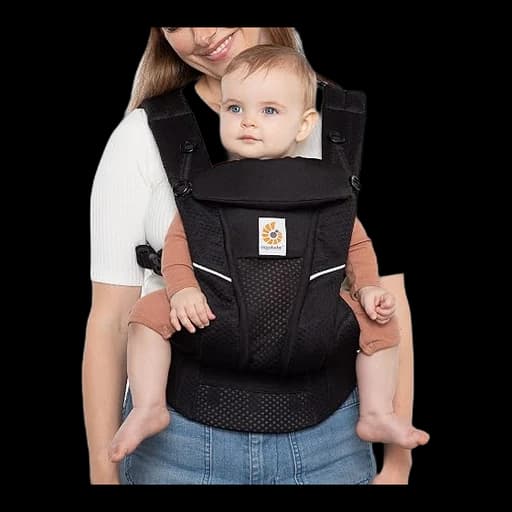
Ergobaby Omni Breeze All Carry Positions Baby Carrier
Best SellerHands-free carrying through airports, cobblestones, and nap-on-the-go moments.
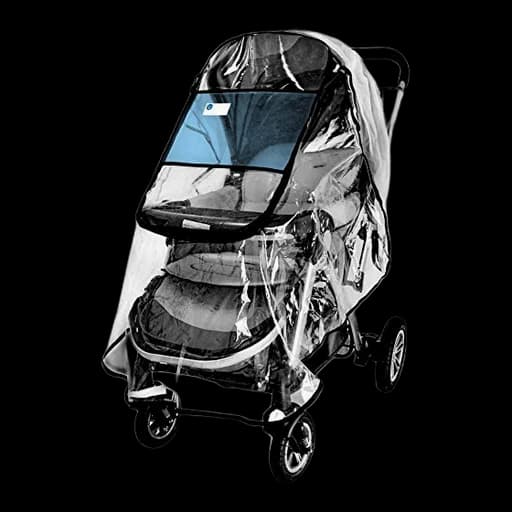
Universal Stroller Rain Cover (Waterproof, Windproof Weather Shield)
Best SellerA surprise shower won't end the day's plan with the stroller sealed up.
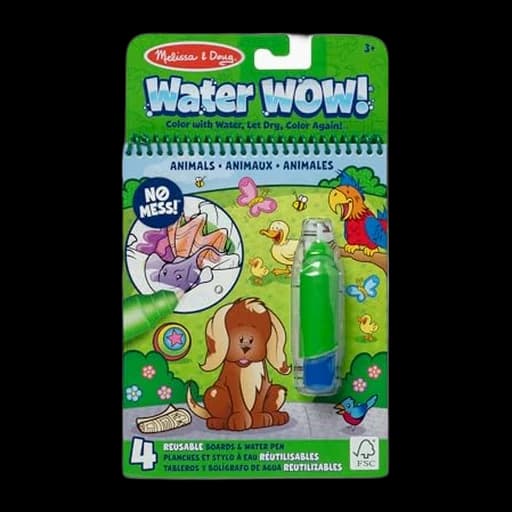
Melissa & Doug On the Go Water Wow! Reusable Water-Reveal Activity Pad - Animals
Best SellerMess-free, reusable activity pad that buys quiet time on planes and at restaurants.
Prices and ratings are approximate and may vary — check the latest on Amazon. As an Amazon Associate we earn from qualifying purchases at no extra cost to you.
Safety Notes
Tokyo is extraordinarily safe for tweens doing semi-independent exploration. The main protocol: working phone with data, hotel address in Japanese on a card, specific meeting point with a specific time (not 'the temple area' — the Kaminarimon gate). Japan's koban (police box) system means a lost or confused tween can ask any police officer for help and will be assisted immediately in a safe environment. Earthquake: if significant shaking, move away from glass, crouch under a table or door frame, wait for shaking to stop before moving. Summer heat and humidity require constant hydration — vending machines every 100 meters mean no excuse for dehydration. Emergency 110 police, 119 ambulance.
Full Destination Guide
Tokyo is one of the greatest family travel destinations in the world for school-age kids and up—safe, clean, endlessly stimulating, and built around a culture that treats children with genuine care. The honest challenge isn't the city; it's the 14-hour flight and the jet lag that follows.
Read the Tokyo, Japan family guide →