5-Day Tokyo Itinerary for School-Age Kids
These actions run in your browser. They do not create an account or send your itinerary preferences anywhere.
Budget
$3,500–$7,000
Mid-Range
Group estimate
Luxury
Varies by resort
Best Months
Mar, Apr, Oct
Ready to plan
Book the trip pieces
This is the practical next step: check family-room availability, reserve age-friendly activities, and pack the gear this itinerary assumes you have.
Links may earn Tots & Trips a commission at no extra cost to you. Recommendations stay independent.
Make it fit your family
Adjust this Tokyo, Japan itinerary
Slower pace
Treat each morning as the anchor and make the afternoon block optional.
Age-group lens
This plan is tuned for school age travelers, so keep the highest-energy activity early and preserve a low-stakes fallback.
Highlights
Day-by-Day Plan
Day 1: Arrival and Settle In
Morning
Arrive, IC cards, check in near Shinjuku. First Tokyo experience: buy something from a vending machine using an IC card. Japan has 5.5 million vending machines — hot coffee, cold juice, edamame chips, entire meals. Frame this as the first data point in understanding what makes Japan different.
Afternoon
Shinjuku Gyoen National Garden for decompression — flights and time zones are hard on kids' bodies. Two hours of walking in a Japanese garden, feeding koi in the traditional garden section, watching Japanese families do exactly what you're doing. Gentle re-entry.
Evening
Ramen for dinner — find a proper ramen shop near the hotel where you order from a vending machine ticket system. This is standard in Japan: buy your meal at the machine, give the ticket to the chef, sit at a counter. School-age kids find this deeply interesting.
Tip: Japan's food vending machine ticket system (食券機 — shokken-ki) is used in thousands of restaurants. The process: insert IC card or cash, press the button for your dish, receive a ticket, hand to staff. Even if you can't read the menu, pressing the first button usually gets the house special.
Day 2: First Full Day
Morning
teamLab Planets in Toyosu — the immersive digital art installation that's specifically designed as a walk-through experience. School-age kids are old enough to genuinely engage with the concept (what is art if it changes based on where you stand?) and physically young enough to wade through the ankle-deep mirror reflection pool without complaint. Book tickets weeks in advance.
Afternoon
Tsukiji Outer Market for lunch — even kids who claim they don't like sushi change their minds at Tsukiji. Freshness makes a qualitative difference. Tamagoyaki (egg omelette on a stick), fresh oysters, and the fish-in-every-form spectacle of the market. Keep wallets and bags aware — the Outer Market is busy.
Evening
Ginza neighborhood evening walk — this is Tokyo's most elegant shopping district, with department stores and galleries. The Sony Building demo area (or nearby tech showrooms) is a kid magnet.
Tip: teamLab Planets requires removing shoes and socks for the water installation. Bring a small bag for shoes, or use the provided bags at the entrance. The experience is approximately 60-90 minutes total.
Day 3: Signature Activity Day
Morning
Senso-ji Temple in Asakusa — the thunder gate (Kaminarimon), the 5-story pagoda, the incense urn where you wave smoke toward yourself for good luck. Frame the Shinto/Buddhist dual-faith aspect: how Japan managed to blend two religions into daily life is a genuinely fascinating lesson for school-age kids who've usually learned about religions as separate.
Afternoon
Ueno Zoo — cover the giant panda, the Asian elephant, the Japanese giant salamander (the largest amphibian on earth, and profoundly weird-looking). The zoo has an excellent section on Japan's native wildlife that school-age kids find more interesting than the African animals.
Evening
Akihabara evening — the electronics and anime district is overwhelming and wonderful. Multiple floors of toy shops, manga cafés, and arcade game centers. Keep the evening short (90 minutes) to leave wanting more.
Tip: Akihabara's multi-story arcades have UFO catcher (crane game) machines on every floor. Give each kid ¥500 and let them try their luck — it's the authentic Akihabara experience and only costs a few dollars.
Day 4: Flexible Family Day
Morning
Ghibli Museum in Mitaka — BOOK THIS 2-3 MONTHS IN ADVANCE. Tickets are released on the 10th of each month on the Lawson ticket system (now via official website for international visitors). The museum is lovingly designed by Miyazaki himself, with no labels on exhibits (you're meant to discover). The cat bus room for children under 12 is an exclusive feature adults cannot enter.
Afternoon
Inokashira Park adjacent to the Ghibli Museum — a beautiful public park with a boating lake. Rent a rowboat or a swan pedal boat. School-age kids handle the physical rowing challenge perfectly.
Evening
Shibuya for dinner — walk through Shibuya Crossing (the world's busiest pedestrian intersection) at peak hour (6-8pm). Stand in the middle, look at all four directions of people, count the crossing cycles. Dinner at a Shibuya restaurant of kids' choosing from the surrounding streets.
Tip: Ghibli Museum does not sell tickets at the door. You must book online in advance. The museum is small and intimate — it's not an amusement park. An hour and a half is the right amount of time.
Day 5: Final Morning and Departure
Morning
Pokémon Center Mega Tokyo in Ikebukuro Sunshine City — the flagship Pokémon store is overwhelming in the best way. The merchandise quality is far superior to western imports. School-age kids who play any version of Pokémon will spend an hour here minimum. Budget ¥3,000-5,000 per child for souvenirs.
Afternoon
Harajuku Takeshita Street — the teen fashion street is genuinely interesting even for school-age kids as a cultural experience. The crepe stands with elaborate toppings are a Tokyo institution. The fashion is extreme enough to be educational.
Evening
Final dinner at an izakaya (Japanese pub-style restaurant) where you order small plates from a touchscreen tablet. School-age kids master the ordering system immediately and take great pride in running the table. A fitting final-night format.
Tip: Keep Pokémon Center Mega Tokyo receipts — they're part of the Tokyo experience and kids love comparing the Japanese price tags to what the same item costs at home (usually 30-50% cheaper at source).
Packing List
- ✓ Comfortable walking shoes — Tokyo demands 10-15km of daily walking
- ✓ Day pack with hydration bladder
- ✓ Pocket WiFi (rent at airport — essential for navigation and Ghibli Museum booking)
- ✓ Japanese yen — ¥50,000 family float in addition to IC card
- ✓ Reusable shopping bag (Japanese stores give plastic bags reluctantly since 2020 bag fee law)
- ✓ Portable battery pack for navigation and photography
- ✓ Sunscreen SPF 50+ (summer UV is strong)
- ✓ Light rain jacket — Tokyo rain is sudden and heavy
- ✓ Small notebook for Japan observations (the different writing systems alone fill a notebook)
- ✓ Empty suitcase space for Pokémon Center and Akihabara purchases
Recommended Gear for This Trip
The travel-with-kids essentials we'd pack for a trip like this — with current prices and ratings.

Baby BanZ Earmuffs Infant Hearing Protection (Ages 0-2+)
Best SellerFireworks, parades, and rides hit 95+ dB — painful for small ears without protection.

Goldbug Animal 2-in-1 Toddler Safety Harness (Monkey)
Best SellerKeeps a runner close in crowded streets, stations, and parks without a fight.

AMACOOL Battery-Operated Clip-On Stroller Fan
Best SellerHeat melts kids faster than parents realize — clips to the stroller, car seat, or carrier.
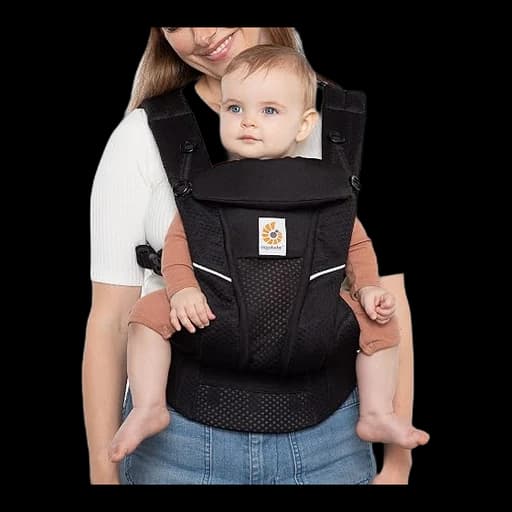
Ergobaby Omni Breeze All Carry Positions Baby Carrier
Best SellerHands-free carrying through airports, cobblestones, and nap-on-the-go moments.
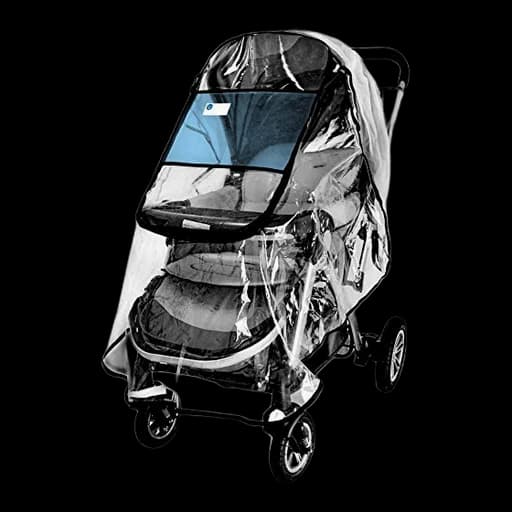
Universal Stroller Rain Cover (Waterproof, Windproof Weather Shield)
Best SellerA surprise shower won't end the day's plan with the stroller sealed up.
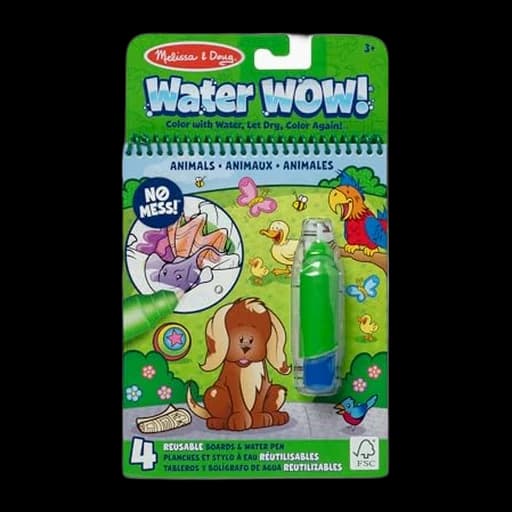
Melissa & Doug On the Go Water Wow! Reusable Water-Reveal Activity Pad - Animals
Best SellerMess-free, reusable activity pad that buys quiet time on planes and at restaurants.
Prices and ratings are approximate and may vary — check the latest on Amazon. As an Amazon Associate we earn from qualifying purchases at no extra cost to you.
Safety Notes
Tokyo is one of the safest cities on earth for children — lost children are almost always returned to the nearest police box (koban) within minutes by concerned locals. Teach kids the emergency phrase 'Mite kudasai' (please look at this) and have your hotel address written in Japanese on a card in their pocket. Summer heat is the main health risk — hydration is critical, and kids underestimate Tokyo humidity. Earthquake protocol: stay calm, move away from windows, shelter under a table. The Ghibli Museum has bag checks but is entirely safe; the museum has a no-photography policy inside — enforce this with kids. Emergency 110 for police, 119 for ambulance.
Full Destination Guide
Tokyo is one of the greatest family travel destinations in the world for school-age kids and up—safe, clean, endlessly stimulating, and built around a culture that treats children with genuine care. The honest challenge isn't the city; it's the 14-hour flight and the jet lag that follows.
Read the Tokyo, Japan family guide →