5-Day Tokyo Itinerary for Babies
These actions run in your browser. They do not create an account or send your itinerary preferences anywhere.
Budget
$3,500–$7,000
Mid-Range
Group estimate
Luxury
Varies by resort
Best Months
Mar, Apr, Oct
Ready to plan
Book the trip pieces
This is the practical next step: check family-room availability, reserve age-friendly activities, and pack the gear this itinerary assumes you have.
Links may earn Tots & Trips a commission at no extra cost to you. Recommendations stay independent.
Make it fit your family
Adjust this Tokyo, Japan itinerary
Slower pace
Treat each morning as the anchor and make the afternoon block optional.
Age-group lens
This plan is tuned for baby travelers, so keep the highest-energy activity early and preserve a low-stakes fallback.
Highlights
Day-by-Day Plan
Day 1: Arrival and Settle In
Morning
Arrive and check in. If arriving into Narita or Haneda, purchase IC cards (Suica or Pasmo) at the airport — these work on all metro, bus, and even convenience store purchases. Settle into your hotel near Shinjuku or Shibuya where elevator access is best. Sleep-recover as much as the baby allows.
Afternoon
Shinjuku Gyoen National Garden — 58 hectares of flat gardens with almost no traffic noise. Strollers are welcome everywhere. The park has multiple nursing and diaper-changing facilities. Let the jet-lagged baby get fresh air and sensory reset on Japanese garden paths.
Evening
Convenience store dinner (genuinely recommended, not a backup plan) — 7-Eleven and FamilyMart in Japan have extraordinary prepared food quality. Onigiri, steamed buns, yogurt, fruit packs — assemble a meal at the hotel and avoid the evening commute crush.
Tip: Japan's department store nursing rooms (called 授乳室 — junya shitsu) are the best in the world. Isetan Shinjuku, Takashimaya, Mitsukoshi all have private rooms with nursing chairs, bottle warmers, changing tables, and sometimes toys. Google the nearest one on arrival.
Day 2: First Full Day
Morning
Senso-ji Temple in Asakusa — Tokyo's most famous temple, and genuinely beautiful before 9am when the tourist crowd hasn't arrived. Babies respond to the incense smoke, the sound of bells, the visual richness of red lacquer and gold. The Nakamise shopping street leading to the temple has shallow steps and wide lanes — stroller-navigable.
Afternoon
Nursing and nap time in one of Asakusa's many family-friendly cafés. Many older Tokyo neighborhoods have excellent kissaten (traditional Japanese coffee houses) where a pram parked against the wall is completely unremarkable.
Evening
Ueno Park evening stroll — the park is huge, flat, and stroller-friendly. The park area has multiple benches and a peaceful atmosphere as locals walk their dogs and eat convenience store dinners in the evening light.
Tip: Tokyo metro has elevators at all major stations — look for the blue elevator symbols on station maps. The Ginza Line and Marunouchi Line stations are older and have more stairs; prefer the Yamanote Line and Asakusa Line for easier baby navigation.
Day 3: Signature Activity Day
Morning
Odaiba — the man-made island in Tokyo Bay reached by the scenic Yurikamome monorail (stroller-friendly, great views of the Rainbow Bridge). DiverCity Tokyo has a flat shopping complex with excellent family facilities. The Oedo Onsen hot spring theme park on Odaiba is accessible and has family bathing areas — an extraordinary cultural experience.
Afternoon
Nap at the hotel or in the stroller on the monorail — babies often sleep beautifully on moving trains, and the Yurikamome provides a useful nap loop.
Evening
Tsukiji Outer Market area for dinner — the outer market is accessible and has excellent fresh fish restaurants. Tokyo's fishiest, freshest experience is achievable with a baby if you go early (before 7pm).
Tip: Oedo Onsen requires advance checking — during the day it can get crowded. Call ahead to ask about family room availability. Traditional onsen do not permit tattoos; the DiverCity area has tattoo-friendly options.
Day 4: Flexible Family Day
Morning
Ueno Zoo — Japan's oldest zoo, opened 1882, and one of the best in Asia. The panda exhibit is iconic and babies track the black-and-white contrast particularly well. Strollers permitted throughout. The zoo has dedicated nursing rooms and excellent facilities.
Afternoon
Ueno Museum district walking tour (from outside only — avoid interiors with a baby unless they're napping). The buildings and sculptures around Ueno Park are interesting enough to photograph while the baby sleeps in the stroller.
Evening
Department store food hall (depachika) dinner experience — the basement food floors of Isetan Shinjuku or Takashimaya are extraordinary. Sushi, ramen, gyoza, rice bowls, wagashi sweets — all available for takeout. Eat in the hotel room or a nearby park.
Tip: Ueno Zoo requires an IC card or cash for entry (¥600 for adults, children free). The zoo is easily one of the best-value family activities in Tokyo.
Day 5: Final Morning and Departure
Morning
Shinjuku Gyoen for a final garden morning — if it's cherry blossom or autumn-leaf season, this is the most beautiful green space in the city. Even outside peak seasons, the Japanese garden section has a meditative calm that is the perfect final Tokyo morning with a baby.
Afternoon
Packing and preparation for departure. Allow extra time — traveling with a baby means you need more buffer than you think. Haneda Airport has excellent family facilities including nursing rooms past security.
Evening
Transit to airport. Book a taxi rather than the train if you have significant luggage — the flat rate to Haneda (~¥7,000 from central Tokyo) is worth the simplicity with a baby.
Tip: Japan's IC cards (Suica/Pasmo) can be topped up and reused on future visits, or refunded at the airport (minus ¥220 handling fee). Keep the cards — Japan travel is guaranteed to repeat for most families who visit.
Packing List
- ✓ Lightweight compact stroller (umbrella style — Japan's metro lifts are spacious but narrow trains require compact prams)
- ✓ Ergo-style baby carrier for temple stairs and uneven areas
- ✓ Portable bottle sterilizer or sterilizing tablets
- ✓ Baby food pouches from home (Japanese baby food is excellent but finding familiar brands is uncertain)
- ✓ Portable white-noise machine
- ✓ Multiple change of clothes for baby (and one for you)
- ✓ Japanese yen in cash (¥50,000 is a reasonable family float — many small restaurants are cash-only)
- ✓ Baby-safe insect repellent (summer in Tokyo has mosquitoes)
- ✓ Portable changing mat
- ✓ Compact umbrella — Tokyo rain comes without much warning
Recommended Gear for This Trip
The travel-with-kids essentials we'd pack for a trip like this — with current prices and ratings.
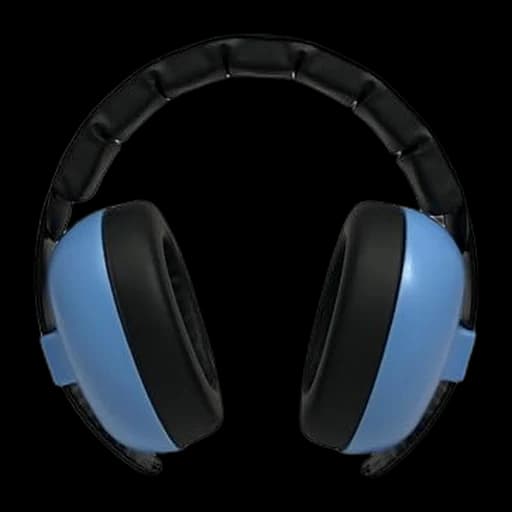
Baby BanZ Earmuffs Infant Hearing Protection (Ages 0-2+)
Best SellerFireworks, parades, and rides hit 95+ dB — painful for small ears without protection.

Goldbug Animal 2-in-1 Toddler Safety Harness (Monkey)
Best SellerKeeps a runner close in crowded streets, stations, and parks without a fight.
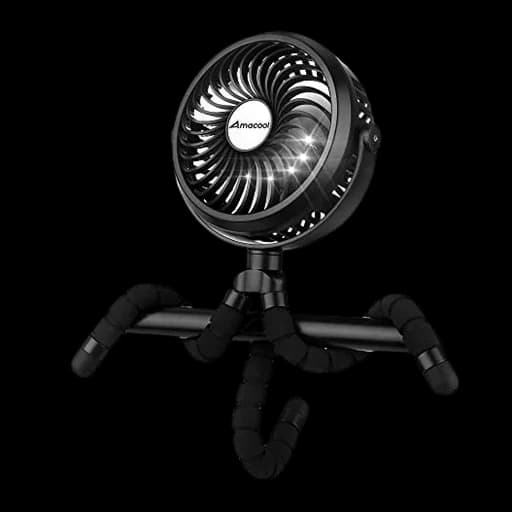
AMACOOL Battery-Operated Clip-On Stroller Fan
Best SellerHeat melts kids faster than parents realize — clips to the stroller, car seat, or carrier.
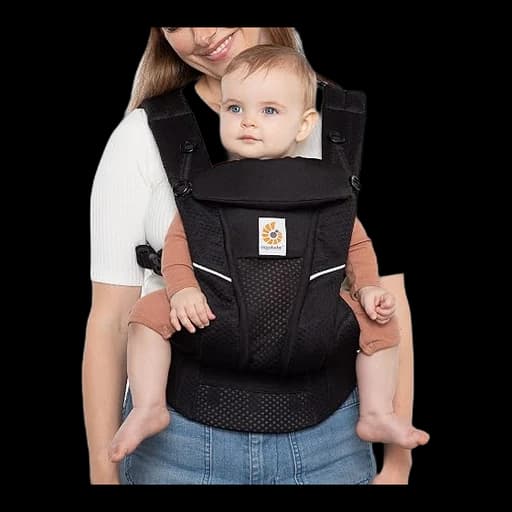
Ergobaby Omni Breeze All Carry Positions Baby Carrier
Best SellerHands-free carrying through airports, cobblestones, and nap-on-the-go moments.
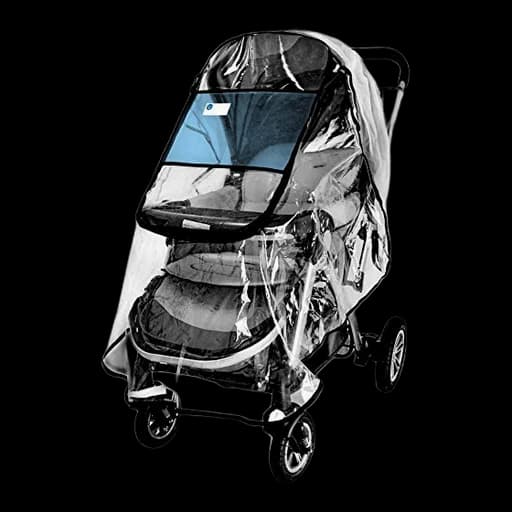
Universal Stroller Rain Cover (Waterproof, Windproof Weather Shield)
Best SellerA surprise shower won't end the day's plan with the stroller sealed up.
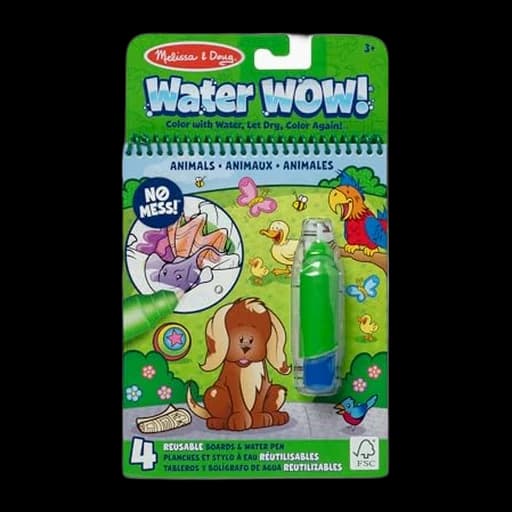
Melissa & Doug On the Go Water Wow! Reusable Water-Reveal Activity Pad - Animals
Best SellerMess-free, reusable activity pad that buys quiet time on planes and at restaurants.
Prices and ratings are approximate and may vary — check the latest on Amazon. As an Amazon Associate we earn from qualifying purchases at no extra cost to you.
Safety Notes
Tokyo is one of the safest cities on earth for families — violent crime is almost nonexistent and lost items are almost always returned. Earthquake awareness: Japan has regular small tremors. Major hotels have earthquake protocols and room safe areas marked. If a significant quake occurs, stay in the building (do not run outside — falling glass is the main risk). IC card instead of cash tickets means less fumbling with wallets while managing a baby. Summer humidity is intense (June-September) — Tokyo heat with a baby requires frequent hydration breaks and air-conditioned rest stops; department stores and convenience stores both serve as excellent free air conditioning. Emergency number 119 for ambulance; English-speaking dispatch is available.
Full Destination Guide
Tokyo is one of the greatest family travel destinations in the world for school-age kids and up—safe, clean, endlessly stimulating, and built around a culture that treats children with genuine care. The honest challenge isn't the city; it's the 14-hour flight and the jet lag that follows.
Read the Tokyo, Japan family guide →