Tween (9–12)5 days / 4 nights
5-Day Punta Cana Itinerary for Tweens
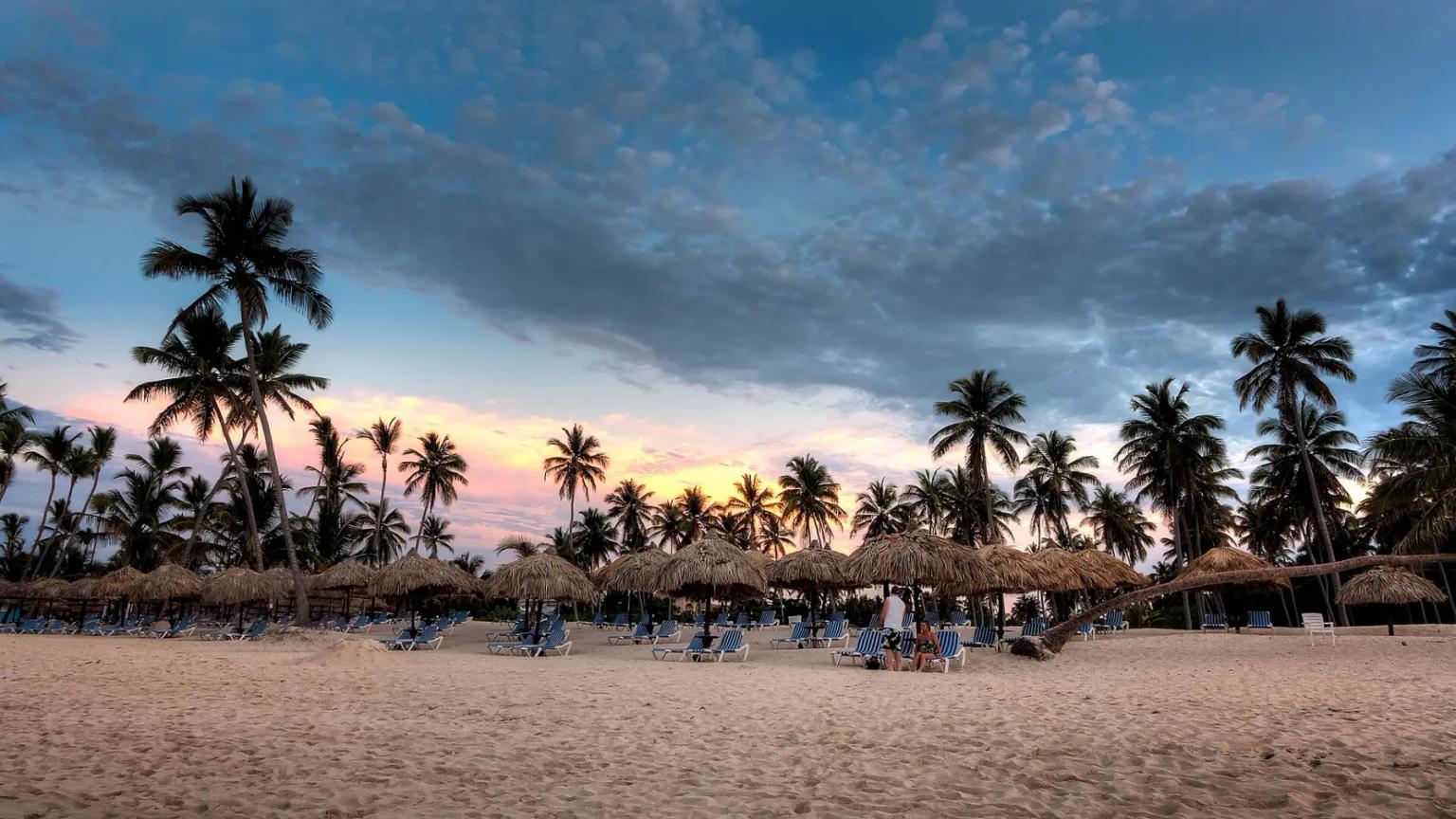
Photo: Joe deSousa / CC0
These actions run in your browser. They do not create an account or send your itinerary preferences anywhere.
Budget
$3,500–$7,500
Mid-Range
Group estimate
Luxury
Varies by resort
Best Months
Dec, Jan, Feb
Ready to plan
Book the trip pieces
This is the practical next step: check family-room availability, reserve age-friendly activities, and pack the gear this itinerary assumes you have.
Hotel links open Booking.com, where prices and availability are shown. Links may earn Tots & Trips a commission at no extra cost to you. Recommendations stay independent.
Getting there & around
From PUJ to your Punta Cana stay
Pre-book the airport transfer
A driver meets you at Punta Cana International Airport. Booking.com shows the price before you book and has a child-car-seat request on the booking form.
Opens Booking.com with sample dates about a month out (or the stay dates saved on your trip board). Change them to your trip there. Tots & Trips may earn a commission.
Make it fit your family
Adjust this Punta Cana, Dominican Republic itinerary
Slower pace
Treat each morning as the anchor and make the afternoon block optional.
Age-group lens
This plan is tuned for tween travelers, so keep the highest-energy activity early and preserve a low-stakes fallback.
Highlights
Day by day
Day-by-Day Plan
5 days, each paced morning to evening. Gold tags mark the nap and rest windows the plan builds in.
Day 1: Arrival and Settle In
Morning
Arrive and check in. Tweens aged 10–15 qualify for PADI Junior Open Water Diver certification, which can be completed in 3 days at Punta Cana's local dive shops (Dressel Divers at Barceló and Pro Dive International are both PADI-certified operators at major resorts). Use this afternoon to register and complete the pool orientation session.
Afternoon
PADI certification pool session: mask clearing, regulator breathing, buoyancy control in the resort pool. Most tweens are amazed at how natural breathing underwater feels. Pool session runs 2–3 hours with the instructor.
Evening
Dinner at the resort. Debrief the dive session — what was scary, what was easier than expected, what are they looking forward to in open water? Make it a conversation, not a report.
Tip: PADI Junior Open Water requires a parent or adult dive buddy on all open-water dives until age 15. Many resorts offer combined parent-tween certification packages at a discount.
Est. cost: $180–$280 per person for PADI Junior Open Water certification (3-day program)Find Day 1 ticketsDay 2: First Full Day
Morning
PADI open water dives 1 and 2 at a local reef site (Dressel Divers uses the Natural Reserve of the Coral Reef at Cap Cana). Maximum depth 12 meters for Junior certification. Tweens see reef fish, coral formations, and sometimes nurse sharks or stingrays resting on the sandy bottom. The feeling of accomplishment is real and immediate.
Afternoon
Nap / rest built inRest and resort pool time — the morning dives are physically and mentally tiring. Many dive instructors recommend a full recovery afternoon. Tweens can share their underwater photos if the operator provides a dive camera service.
Evening
ATV tour booking confirmation for tomorrow. Spend the evening at the resort's mini-golf course (Hard Rock and Majestic Colonial both have 18-hole courses) — low-key competition between tween and parents.
Tip: Ear equalization (the 'Frenzel maneuver') is the most common challenge for new junior divers. If your tween had trouble equalizing today, practice gently tonight: swallow, yawn, or pinch nose and blow gently.
Est. cost: $0 (included in PADI certification fee from Day 1)Find Day 2 ticketsDay 3: Signature Activity Day
Morning
PADI dives 3 and 4 — certification complete. The instructor presents the junior diver card (or temporary certification letter) at the end of the session. This is a genuine milestone: tweens are now certified to dive up to 12 meters with an adult diver anywhere in the world.
Afternoon
ATV tour through sugarcane fields and Dominican countryside departing from near Bávaro (several operators including Outback Safari and Xtreme Riders offer tween-appropriate routes). Tweens 10+ can typically drive their own ATV with a guide in front. The route passes local villages and a cenote swim stop.
Evening
Celebratory dinner at the resort's best à la carte restaurant — tween picks the venue. Toast the dive certification. Let the tween make the dinner reservation via the resort app themselves.
Tip: The ATV routes can be muddy — wear clothes you don't mind getting dirty and closed-toe shoes. Helmets are provided and mandatory; confirm the operator provides them before booking.
Est. cost: $65–$95 per person for ATV tourFind Day 3 ticketsDay 4: Flexible Family Day
Morning
Day trip to Isla Catalina via speedboat (offered by most tour operators from Bávaro). Isla Catalina has calmer, clearer water than Saona and is frequented by fewer tour groups. Your newly certified tween can do a guided snorkel or a shallow dive at the reef wall off the island's north side.
Afternoon
Beach free time at Isla Catalina — snorkeling independently (with parent nearby), exploring tidal pools, or reading in a hammock. Tweens appreciate unstructured time that doesn't feel like 'kid activities.'
Evening
Return to resort. Tween-led planning session: what's the one thing left on the bucket list? Evening at the resort's beach bonfire if available, or a walk to the beach to stargaze.
Tip: Isla Catalina snorkeling is world-class — if visibility is over 20 meters (ask the boat captain), the wall dive on the north side is worth doing even for newly certified junior divers.
Est. cost: $75–$110 per adult for Isla Catalina day tourFind Day 4 ticketsDay 5: Final Morning and Departure
Morning
Final morning surf lesson on Macao Beach — several surf schools operate here offering 90-minute beginner-to-intermediate lessons. Macao has a consistent gentle break that's ideal for first-timers, and tweens who've never surfed are usually standing up by the end of the lesson.
Afternoon
Return to resort for final packing, last swim, and checkout. Gift shop run with a set budget — tweens appreciate being able to choose something meaningful rather than being handed a resort t-shirt.
Evening
Airport and flight home. On the plane: draft a social media caption about the PADI certification together — most tweens are excited to share this publicly.
Tip: Get the PADI digital certification card before leaving the resort — the dive operator can email the temporary card within 24 hours and the permanent one arrives in 2–4 weeks.
Est. cost: $45–$70 per person for surf lesson on Macao BeachFind Day 5 tickets
Packing List
- Reef-safe sunscreen SPF 50+ (essential for dive and water days)
- Personal snorkel mask (better fit than rentals for diving comfort)
- Lightweight athletic shoes for ATV and horseback activities
- Waterproof dry bag for valuables on boat days
- Rash guard UPF 50+ (required for snorkel/dive comfort and sun protection)
- Underwater camera or GoPro with chest mount
- Dive certification medical form (signed by pediatrician before trip)
- Extra ear equalization nasal spray (Afrin) for dive days if prone to congestion
- Travel journal for logging dive depths, fish species, and landmarks
- Reusable water bottle — staying hydrated is critical before and after dives
Recommended Gear for This Trip
The travel-with-kids essentials we'd pack for a trip like this — with current prices and ratings.
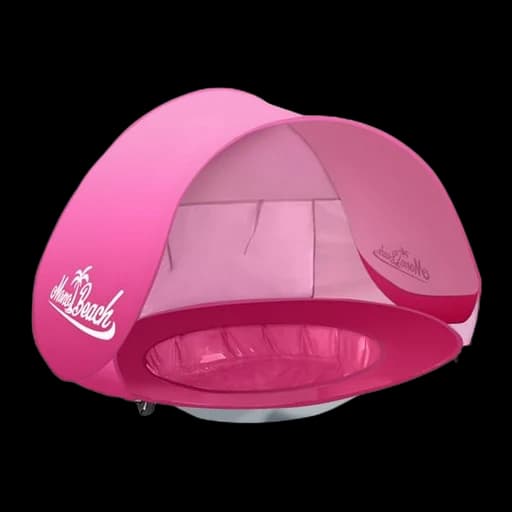
Monobeach Baby Beach Tent (Pop-Up, UPF 50+)
Amazon's ChoiceA pop-up shade base for naps, snacks and diaper changes on beaches with little natural shade.

Thinkbaby SPF 50+ Baby Sunscreen, 3 oz
Best SellerMineral SPF 50+ without oxybenzone or octinoxate, the two filters Hawaii bans.
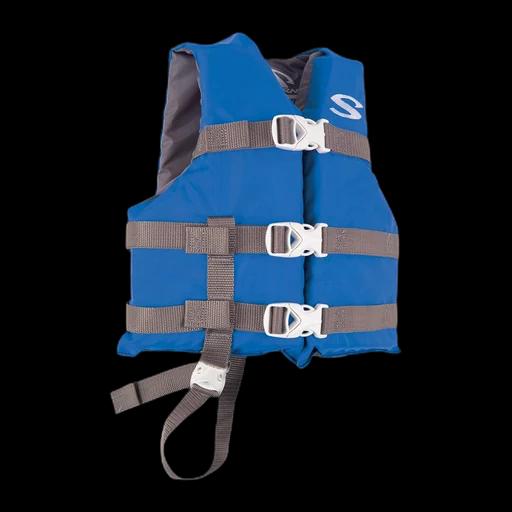
Stearns Kids Life Vest (USCG Type III, 30-50 lbs)
A USCG-approved Type III vest (per Stearns, 30–50 lb), not an inflatable toy. Never a substitute for an adult within arm's reach.

LeIsfIt Toddler Barefoot Quick-Dry Non-Slip Water Shoes
Best SellerProtects little feet on hot sand, rocky shorelines, and slippery pool decks.

TOY Life 23pc Collapsible Silicone Sand Toy Set
Amazon's ChoicePacks flat, rinses in the hotel sink, and keeps kids busy on the sand for hours.
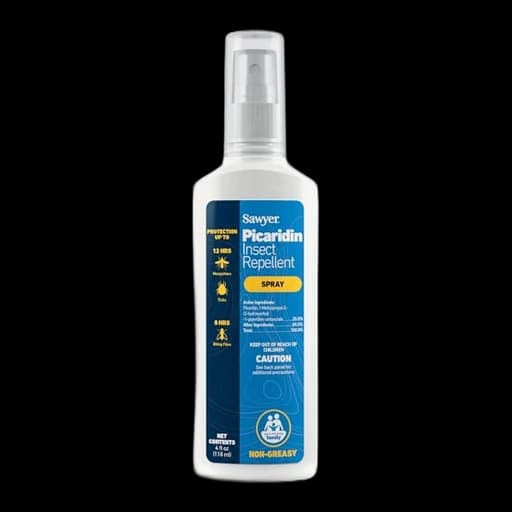
Sawyer 20% Picaridin Insect Repellent Pump Spray, 4 oz
DEET-free picaridin bug protection for tropical evenings, jungle trails, and dusk strolls.
Prices and ratings are approximate and may vary — check the latest on Amazon. As an Amazon Associate we earn from qualifying purchases at no extra cost to you.
Safety Notes
PADI Junior Open Water certification requires a medical questionnaire completed by a pediatrician — have this done before departure. Junior divers must always dive with a certified adult buddy and are limited to 12 meters depth. For ATV tours, confirm the operator's safety record and ensure helmets fit securely before the engine starts. Tweens should never leave the resort grounds alone — even on the beach directly in front of the hotel, establish check-in protocols and a return time for any solo beach time. Caribbean currents can be deceptively strong; tweens should know how to signal for help and should never enter the open ocean without a safety float. Ear barotrauma is the most common dive injury — if a tween experiences ear pain during descent, they must ascend slowly and the dive should be aborted if pain persists.
Full Destination Guide
Punta Cana is the ultimate low-friction Caribbean family vacation — sprawling all-inclusive resorts handle everything while kids splash in calm, shallow water. Direct flights from most US cities seal the deal.