5-Day Hawaii Big Island Itinerary for Tweens
These actions run in your browser. They do not create an account or send your itinerary preferences anywhere.
Budget
$3,000–$6,500
Mid-Range
Group estimate
Luxury
Varies by resort
Best Months
Apr, May, Jun
Ready to plan
Book the trip pieces
This is the practical next step: check family-room availability, reserve age-friendly activities, and pack the gear this itinerary assumes you have.
Links may earn Tots & Trips a commission at no extra cost to you. Recommendations stay independent.
Make it fit your family
Adjust this Big Island, Hawaii itinerary
Slower pace
Treat each morning as the anchor and make the afternoon block optional.
Age-group lens
This plan is tuned for tween travelers, so keep the highest-energy activity early and preserve a low-stakes fallback.
Highlights
Day-by-Day Plan
Day 1: Arrival and Settle In
Morning
Land in Kona, check in, grab gear. Tweens should help navigate using Google Maps from the airport — give them a real job immediately to signal that this is their trip too. Snorkel Bob's in Kona for gear rental; let the tween pick their mask.
Afternoon
Hapuna Beach for an introductory Pacific Ocean session. Tweens can bodyboard in the shore break (boards available for rent), explore the rocky tide pool edges, and claim their spot. Less structured than younger-kid beach time.
Evening
Kona town walk. Find shave ice (Scandinavian Shave Ice is popular), browse the waterfront shops, and let tweens have $10 each to spend however they want. Dinner at a local spot — let them order themselves.
Tip: Tweens who feel ownership of the trip behave better throughout. Give them agency on small decisions daily (where to eat lunch, what snack to buy, which trail to take).
Day 2: First Full Day
Morning
Hawaii Volcanoes National Park — full immersion. Download the NPS app and let the tween navigate inside the park. Walk the full Kilauea Iki Trail (4 miles, 400-foot descent onto a hardened lava lake floor) — this is a real hike across what was once a lake of molten lava. Dramatic and memorable.
Afternoon
Thurston Lava Tube, Chain of Craters Road, Holei Sea Arch. Let tweens photograph everything. If the park has active surface lava, ask rangers about the closest safe viewing distance. Picnic lunch at an overlook.
Evening
If active lava is visible after dark, this is the night to see it. Otherwise, return to Kona and research the night's sky conditions for tomorrow.
Tip: The Kilauea Iki Trail requires sturdy closed-toe shoes — sandals are unsafe on raw lava. Bring 2 liters of water per person minimum; there are no water refill stations on trail.
Day 3: Signature Activity Day
Morning
Mauna Kea Summit drive — the 13,796-foot summit is accessible by paved road (the last 8 miles require 4WD but tours handle this). Book through Mauna Kea Summit Adventures or a similar operator. Tweens are old enough to understand the astronomy: 13 world-class observatories sit here because it's above 40% of Earth's atmosphere. The view at sunset is extraordinary.
Afternoon
The visitor center at 9,200 feet is a good mid-altitude stop with exhibits and a bathroom break. Acclimatize here before going higher. The summit at golden hour is stunning photography territory.
Evening
Mauna Kea stargazing is the finest on Earth. After sunset, the visitor center hosts free public stargazing with telescopes — rangers explain what you're seeing. This is often the highlight of the entire trip for tween-age kids.
Tip: Altitude sickness is real at 14,000 feet — watch for headache, nausea, or dizziness in tweens. Anyone with asthma should consult a doctor. No one under 13 is allowed at the summit by most tour operators; verify age requirements when booking.
Day 4: Flexible Family Day
Morning
Manta Ray Night Snorkel (evening activity — use the morning for Kealakekua Bay snorkeling). Book a morning boat tour to Kealakekua Bay Marine Reserve, where Captain Cook was killed in 1779 — the historical context makes tweens genuinely curious. The snorkeling (100+ fish species, healthy coral) is world-class.
Afternoon
Return, lunch, short break. Tweens can rest or explore the resort independently (within agreed boundaries). This earned downtime matters at this age.
Evening
Manta Ray Night Snorkel departing from Kailua-Kona. The experience of giant rays (up to 16-foot wingspan) gliding inches from your face in dark water, lit from below, is genuinely life-changing. Tweens talk about this for years.
Tip: Do both the daytime Kealakekua snorkel and the manta ray night snorkel if budget allows — they're completely different experiences. Wear a wetsuit on the night tour; open ocean water is cooler after dark.
Day 5: Final Morning and Departure
Morning
Green Sand Beach (Papakolea) — take the local truck ride from the trailhead ($10–$15 per person) for most of the journey, then walk the final quarter mile. The green olivine sand is geologically unique and the hike to the cliff overlook gives tweens a real sense of accomplishment. Waves here are rough — swimming is not safe for most visitors.
Afternoon
Punalu'u Black Sand Beach on the way out. Turtles, black sand, final swim. Let tweens take their own photos and pick their own souvenir. Drive to airport.
Evening
Fly home. Tweens can use the flight to edit and post their trip photos (if you allow it) or write a journal entry about the most unexpected moment.
Tip: Papakolea Green Sand Beach has no facilities — bring water, snacks, and reef-safe sunscreen. The path is exposed and hot. The $10 truck ride each way is absolutely worth it with tweens.
Packing List
- ✓ Full-foot snorkel fins and mask (own or rented from Snorkel Bob's)
- ✓ Wetsuit top (2mm) for night snorkeling in open ocean
- ✓ Reef-safe mineral sunscreen SPF 50+ — Hawaii law enforced
- ✓ Trekking sandals or trail runners for lava hiking
- ✓ Warm layer for Mauna Kea (it's near freezing at the summit even in summer)
- ✓ Headlamp for lava tube and night stargazing
- ✓ Personal water bottle (2L capacity)
- ✓ Small waterproof dry bag for snorkel valuables
- ✓ Camera or phone with waterproof case
- ✓ Journal or notes app — tweens who document trips remember them longer
Recommended Gear for This Trip
The travel-with-kids essentials we'd pack for a trip like this — with current prices and ratings.
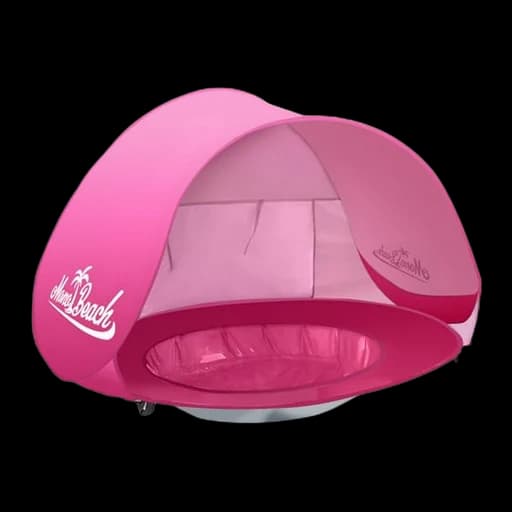
Monobeach Baby Beach Tent (Pop-Up, UPF 50+)
Amazon's ChoiceMost resort beaches have no natural shade — toddlers burn in 15 minutes without it.
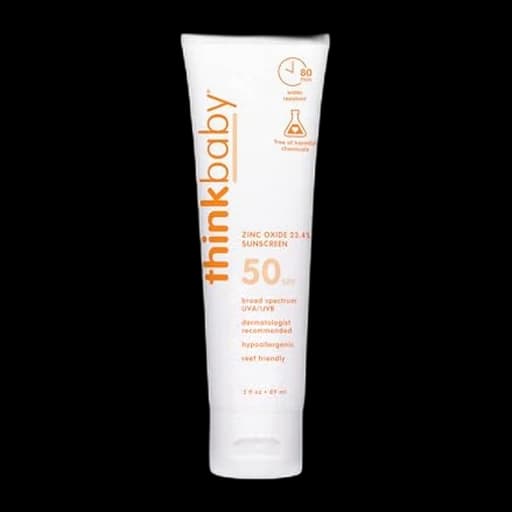
Thinkbaby SPF 50+ Baby Sunscreen, 3 oz
Best SellerMineral, reef-safer SPF 50+ — required at many Mexico, Hawaii, and Caribbean beaches.
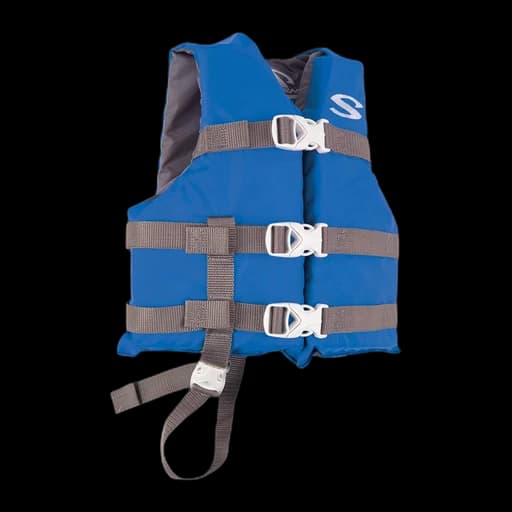
Stearns Kids Life Vest (USCG Type III, 30-50 lbs)
A Coast-Guard-rated Type III vest — the only flotation actually approved for the water.

LeIsfIt Toddler Barefoot Quick-Dry Non-Slip Water Shoes
Best SellerProtects little feet on hot sand, rocky shorelines, and slippery pool decks.
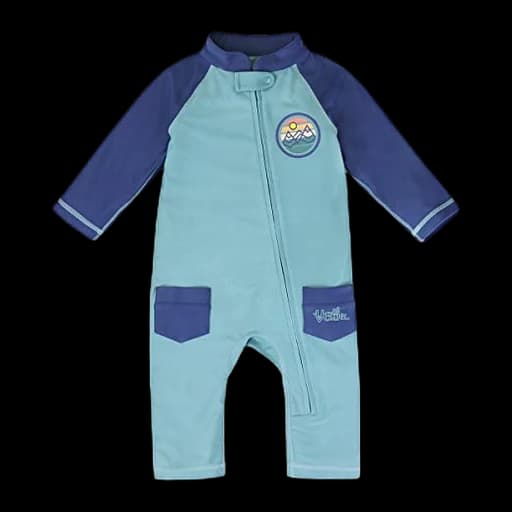
UV SKINZ Baby Boy One-Piece Full-Body UPF 50+ Sunsuit
Amazon's ChoiceFull-body UPF 50+ coverage cuts the sunscreen battle on long beach and pool days.

TOY Life 23pc Collapsible Silicone Sand Toy Set
Amazon's ChoicePacks flat, rinses in the hotel sink, and keeps kids busy on the sand for hours.
Prices and ratings are approximate and may vary — check the latest on Amazon. As an Amazon Associate we earn from qualifying purchases at no extra cost to you.
Safety Notes
Altitude sickness is a real risk at Mauna Kea's 13,796-foot summit — acclimatize at the 9,200-foot visitor center for 30+ minutes before ascending, watch tweens for headaches or nausea, and descend immediately if symptoms appear. Volcanic gases at Volcanoes National Park can irritate lungs; avoid high-vog areas and check forecasts before the park visit. Ocean conditions on the Big Island change rapidly — always check surf reports before bodyboarding at Hapuna and never swim at unguarded beaches during high surf advisories. Green Sand Beach's waves are rough and swimming is dangerous; go for the geology, not the swim. Never stand on lava ledges near the coast — they can collapse without warning.
Full Destination Guide
The Big Island gives families active lava fields, manta ray night snorkels, green and black sand beaches, and a landscape that changes from tropical rainforest to alpine desert within 45 minutes—all without a passport or jet lag. It's one of the most geologically dramatic and genuinely accessible family destinations in America.
Read the Big Island, Hawaii family guide →