5-Day Hawaii Big Island Itinerary for Teens
These actions run in your browser. They do not create an account or send your itinerary preferences anywhere.
Budget
$2,800–$6,200
Mid-Range
Group estimate
Luxury
Varies by resort
Best Months
Apr, May, Jun
Ready to plan
Book the trip pieces
This is the practical next step: check family-room availability, reserve age-friendly activities, and pack the gear this itinerary assumes you have.
Links may earn Tots & Trips a commission at no extra cost to you. Recommendations stay independent.
Make it fit your family
Adjust this Big Island, Hawaii itinerary
Slower pace
Treat each morning as the anchor and make the afternoon block optional.
Age-group lens
This plan is tuned for teen travelers, so keep the highest-energy activity early and preserve a low-stakes fallback.
Highlights
Day-by-Day Plan
Day 1: Arrival and Settle In
Morning
Land in Kona. Teens can help navigate airport logistics and load gear into the rental car (SUV recommended). Check in and immediately assess: surf report, lava activity status, weather forecast. Plan the week's anchor activities based on what's current.
Afternoon
Snorkel Bob's in Kona to rent gear. Walk Ali'i Drive — let teens explore independently for 30 minutes while parents sit at a café with a view of the pier. Reconnect for shave ice. This small independence sets the tone for the trip.
Evening
Dinner at Kenichi Pacific (Japanese-Hawaiian fusion) or Kona Brewing Company. Teens choose the restaurant from a short list. Discuss tomorrow's full-day volcano plan.
Tip: Renting a car with more cargo space (SUV or minivan) makes a huge difference with teen luggage volume. Consider having teens pack their own snorkel day bags the night before each beach day.
Day 2: First Full Day
Morning
Hawaii Volcanoes National Park — the full adventure version. Start at 6am to hit Kilauea Iki Trail before crowds (4 miles, 2 hours). Descend into the crater, cross the lava lake floor, and climb back out through the rainforest. This is a legitimate hike that feels like another planet.
Afternoon
Chain of Craters Road all the way to the coast. Stop at every pullout. Holei Sea Arch at the terminus. Check ranger boards for current lava flow locations. Picnic lunch at a lava overlook — eat while staring at a landscape that didn't exist 40 years ago.
Evening
If surface lava or lava ocean entry is active, this is the prime viewing window. Rangers will advise on safe viewing distances. If not, drive back toward Kona with a stop at the Punalu'u Black Sand Beach at dusk for turtles and a different kind of dramatic landscape.
Tip: The Kilauea Iki Trail is moderately difficult but manageable for fit teens. Vog can be heavy on the crater floor — if anyone is sensitive, wear a mask. Download offline maps before entering the park (cell service is unreliable).
Day 3: Signature Activity Day
Morning
Waipio Valley — take the overlook in the morning, then hike the 4WD road down (1 mile, very steep, 25% grade) for those who want the full experience. The valley floor has black sand beach, wild horses, and taro fields. The hike back up is strenuous; give teens the option but make it their choice.
Afternoon
Drive the Hamakua Coast with stops as interest dictates — Akaka Falls (0.4-mile loop, 442-foot waterfall) is worth 45 minutes. Hilo town for late lunch at Poke To The Max or Cafe Pesto. Teens with an interest in surfing can check the Hilo Bay Surf breaks.
Evening
Relaxed evening in Kona. Teens who want alone time at the hotel pool get it. Tomorrow is the manta ray night snorkel — early dinner, prep gear.
Tip: The Waipio Valley road descent is extremely steep — going down on foot is fine but plan 45–60 minutes for the climb back. No shame in the truck shuttle if the return climb is daunting. The valley floor is private land; stay on public paths.
Day 4: Flexible Family Day
Morning
Kealakekua Bay snorkel — book a kayak rental from the bay's north access point and paddle to the Captain Cook Monument for a full morning of independent exploration. Teens can kayak and snorkel on their own (with parents nearby) — this feels like real adventure. The coral and fish here are phenomenal.
Afternoon
Return kayaks, grab lunch. Optional: Snorkel Bob's can usually suggest current conditions for other sites. Teens who want a second snorkel session can try Two-Step near Honaunau (easy entry, no sand, incredible reef).
Evening
Manta Ray Night Snorkel. This is the night. Book with a reputable operator (Jack's Diving Locker, Manta Ray Advocates, or Kohala Divers). Giant oceanic manta rays — up to 16 feet across — glide through the lights inches from your face. For most teens this becomes the story they tell for the rest of their life.
Tip: Two-Step near Honaunau is entry directly from lava ledges — teens need water shoes and confidence with rocky entry. The manta tour requires being comfortable in dark open water; anyone hesitant should do a daytime ocean snorkel first to build confidence.
Day 5: Final Morning and Departure
Morning
Mauna Kea Summit — rent a 4WD vehicle or book a summit tour for the final morning. The 13,796-foot summit before flight is doable if you fly late afternoon. The panoramic view above the clouds is staggering. Teens who care about astronomy, physics, or photography will want every minute here.
Afternoon
Descend to Kona, pack up, return gear to Snorkel Bob's. Final shave ice at Ululani's Hawaiian Shave Ice. Airport.
Evening
Fly home. Teens who were skeptical about a 'family vacation' tend to leave the Big Island converted.
Tip: The summit road closes at night for non-tour vehicles — if you're self-driving, go up in the afternoon and be off the summit before dark. Altitude sickness is possible even in teens — ascend slowly, hydrate, and descend at the first sign of headache or nausea.
Packing List
- ✓ Full snorkel set — mask, fins, snorkel (rent or own)
- ✓ 3mm wetsuit top for manta ray night snorkel
- ✓ Trail runners with ankle support for Kilauea Iki hike
- ✓ Water shoes for Two-Step lava entry
- ✓ Reef-safe mineral sunscreen (enforced by Hawaii law)
- ✓ Warm fleece or down layer for Mauna Kea summit (near freezing)
- ✓ Headlamp for lava viewing and summit dusk
- ✓ 2L water bottle — fill constantly
- ✓ Dry bag for snorkel valuables on kayak day
- ✓ Phone with offline NPS maps downloaded before the park
Recommended Gear for This Trip
The travel-with-kids essentials we'd pack for a trip like this — with current prices and ratings.
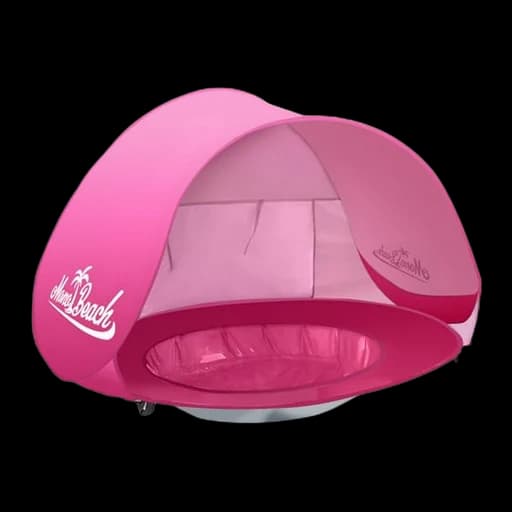
Monobeach Baby Beach Tent (Pop-Up, UPF 50+)
Amazon's ChoiceMost resort beaches have no natural shade — toddlers burn in 15 minutes without it.
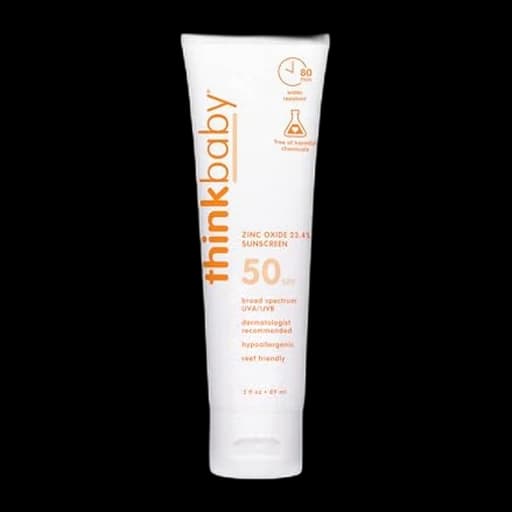
Thinkbaby SPF 50+ Baby Sunscreen, 3 oz
Best SellerMineral, reef-safer SPF 50+ — required at many Mexico, Hawaii, and Caribbean beaches.

LeIsfIt Toddler Barefoot Quick-Dry Non-Slip Water Shoes
Best SellerProtects little feet on hot sand, rocky shorelines, and slippery pool decks.
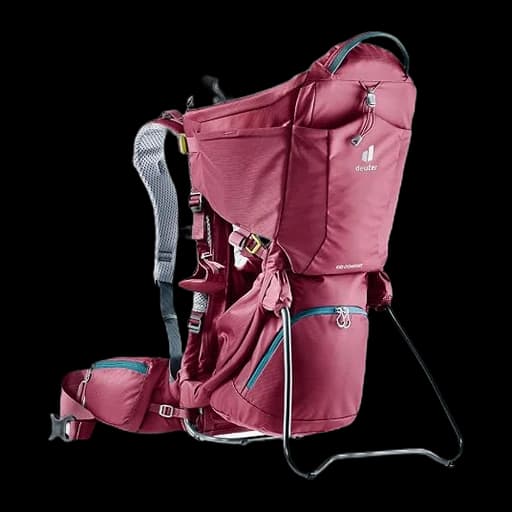
Deuter Kid Comfort Child Carrier Backpack
Amazon's ChoiceTrails and gravel eat strollers — a hiking carrier shrugs them off and saves your back.

Sawyer 20% Picaridin Insect Repellent, 4 oz Twin Pack
DEET-free, kid-safe bug protection for tropical evenings, jungle trails, and dusk strolls.

AMACOOL Battery-Operated Clip-On Stroller Fan
Best SellerHeat melts kids faster than parents realize — clips to the stroller, car seat, or carrier.
Prices and ratings are approximate and may vary — check the latest on Amazon. As an Amazon Associate we earn from qualifying purchases at no extra cost to you.
Safety Notes
The Kilauea Iki Trail crosses active volcanic terrain — wear closed-toe shoes, carry 2L of water, and turn back if volcanic gases cause eye irritation or headache. Mauna Kea's summit at 13,796 feet can cause altitude sickness in teens; acclimatize at 9,200 feet for 30+ minutes and descend at any sign of nausea, severe headache, or confusion. For all ocean activities, check surf reports at surfline.com before heading out — the Big Island's north and west shores can switch from calm to dangerous in hours. Night snorkeling in open water requires comfort in dark conditions; ensure your teen is a strong swimmer. Lava ledges near the coast are geologically unstable — keep a safe distance and follow all ranger guidance.
Full Destination Guide
The Big Island gives families active lava fields, manta ray night snorkels, green and black sand beaches, and a landscape that changes from tropical rainforest to alpine desert within 45 minutes—all without a passport or jet lag. It's one of the most geologically dramatic and genuinely accessible family destinations in America.
Read the Big Island, Hawaii family guide →