5-Day Hawaii Big Island Itinerary for School-Age Kids
These actions run in your browser. They do not create an account or send your itinerary preferences anywhere.
Budget
$2,600–$5,800
Mid-Range
Group estimate
Luxury
Varies by resort
Best Months
Apr, May, Jun
Ready to plan
Book the trip pieces
This is the practical next step: check family-room availability, reserve age-friendly activities, and pack the gear this itinerary assumes you have.
Links may earn Tots & Trips a commission at no extra cost to you. Recommendations stay independent.
Make it fit your family
Adjust this Big Island, Hawaii itinerary
Slower pace
Treat each morning as the anchor and make the afternoon block optional.
Age-group lens
This plan is tuned for school age travelers, so keep the highest-energy activity early and preserve a low-stakes fallback.
Highlights
Day-by-Day Plan
Day 1: Arrival and Settle In
Morning
Land in Kona and check in. Hit the resort pool immediately — school-age kids need to burn off flight energy. Most Waikoloa or Kona resort pools have waterslides and lap areas; let them go wild for an hour.
Afternoon
Drive the short loop around Kailua-Kona town. Stop at Hulihe'e Palace (small museum, excellent context for Hawaiian royalty history — great for classroom connections). Walk the pier and watch the fish below. Pick up snorkeling gear from Snorkel Bob's in Kona if you haven't rented ahead.
Evening
Dinner at Kona Brewing Company — the large outdoor patio, great fish tacos, and non-alcoholic craft sodas make it a hit with school-age kids. Talk about tomorrow's volcano plan over dinner.
Tip: Snorkel Bob's rents quality gear at reasonable weekly rates — much better than what cruise-ship excursion snorkels provide. Get adult and kid-size masks fitted in person.
Day 2: First Full Day
Morning
Full day at Hawaii Volcanoes National Park. Start with the Visitor Center to watch the introductory film (15 min, excellent science context for kids). Drive Crater Rim Drive and stop at Kilauea Overlook, Sulphur Banks, and the Steam Vents — older school-age kids understand the science here and it makes an impression. Walk Thurston Lava Tube (0.3-mile loop).
Afternoon
Drive Chain of Craters Road to the coast — the lava fields stretching to the ocean are one of the most dramatic landscapes on Earth. Find the Holei Sea Arch at the end of the road. Picnic lunch at a pullout overlook.
Evening
If there is active surface lava flowing, rangers will often direct visitors to a safe viewing area after dark — this is a once-in-a-lifetime experience. Check the park website for current activity. Drive back to Kona.
Tip: Park entry is $25/car and valid for 7 days. Download the NPS app before arriving — interactive lava flow maps are a huge hit with school-age kids who love tracking where lava is moving.
Day 3: Signature Activity Day
Morning
Kealakekua Bay snorkel trip — book a boat tour departing from Kailua-Kona (Captain Zodiac or Fair Wind are well-rated). The bay is a Marine Life Conservation District with incredible coral and fish. School-age kids who can swim will absolutely love this. The site also includes the Captain Cook Monument — a history lesson built in.
Afternoon
Return to Kona by early afternoon. Stop at Snorkel Bob's to swap any gear. Quick visit to the Kona Coffee Living History Farm if time allows — school-age kids love the hands-on coffee-picking demonstration ($25/adult, kids free with adult).
Evening
Fish tacos on the Kona waterfront. Watch for spinner dolphins — they frequently appear in Kailua Bay at dusk.
Tip: Book Kealakekua Bay tours at least a week in advance in peak season. Morning departures have calmer water. Ensure your child is a confident swimmer before booking a snorkel tour without a life jacket.
Day 4: Flexible Family Day
Morning
Manta Ray Night Snorkel from Kailua-Kona — one of the most magical experiences on Earth. Book with Manta Ray Advocates or Jack's Diving Locker. The manta rays (completely harmless, no stingers) glide through lights in the dark water. Most operators take school-age confident swimmers; confirm minimum age when booking.
Afternoon
Rest day — beach morning at Hapuna Beach. School-age kids can bodyboard (rent boards at the beach), build sand sculptures, and explore tide pools. Pack your own lunch.
Evening
Manta Ray Night Snorkel departs late afternoon or early evening (usually 5pm). Plan a light dinner before departure. Return excited and tired.
Tip: The manta tour typically runs 2–3 hours including boat time. Bring a towel, warm layer for the boat, and dramamine if any family member gets seasick. Ages typically must be 8+ and able to swim — verify with your operator.
Day 5: Final Morning and Departure
Morning
Waipio Valley Overlook — the dramatic vista of Hawaii's most sacred valley is just a short drive and walk from the parking area. The steep road into the valley is 4WD only; the overlook alone is worth the trip and school-age kids appreciate the scale. Talk about the ali'i (royalty) who lived in the valley historically.
Afternoon
Black Sand Beach at Punalu'u on the way to the airport (if flying out of Hilo) or as a morning stop. Turtles almost always present. Last shave ice stop in Kona or Hilo. Airport.
Evening
Fly home. School-age kids can start a trip journal on the plane — prompt them to write 3 things they didn't know before this trip.
Tip: Waipio Valley Overlook is about 45 minutes north of Hilo and requires backtracking to Kona — plan the route based on which airport you're flying home from.
Packing List
- ✓ Full-face or split mask + fins (or plan to rent from Snorkel Bob's)
- ✓ Reef-safe mineral sunscreen SPF 50+ (Hawaii law)
- ✓ Rashguard for snorkeling and beach days
- ✓ Water shoes for lava field paths and rocky beaches
- ✓ Small daypack per child (they carry their own water and snacks)
- ✓ NPS Junior Ranger booklet (grab at Volcanoes Visitor Center, free)
- ✓ Underwater camera or phone housing for snorkel footage
- ✓ Light fleece for Mauna Kea drives or evening boat rides
- ✓ Dramamine or Sea-Bands for boat tours
- ✓ Reusable water bottle — refill constantly in Hawaii's heat
Recommended Gear for This Trip
The travel-with-kids essentials we'd pack for a trip like this — with current prices and ratings.
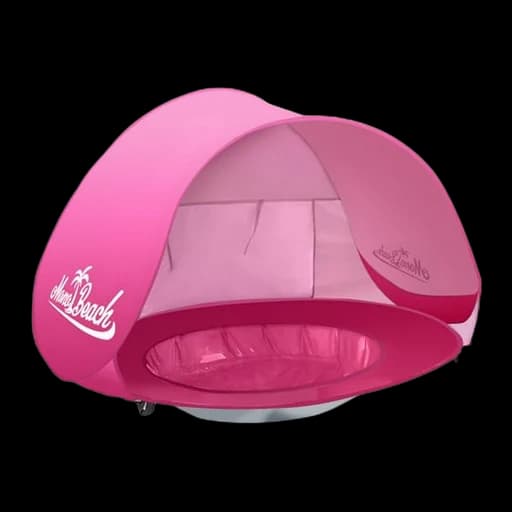
Monobeach Baby Beach Tent (Pop-Up, UPF 50+)
Amazon's ChoiceMost resort beaches have no natural shade — toddlers burn in 15 minutes without it.
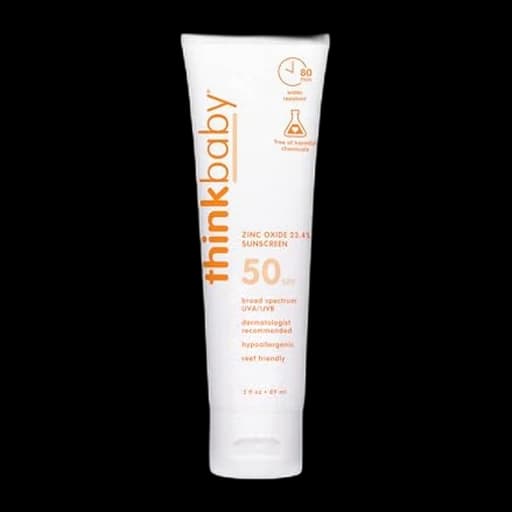
Thinkbaby SPF 50+ Baby Sunscreen, 3 oz
Best SellerMineral, reef-safer SPF 50+ — required at many Mexico, Hawaii, and Caribbean beaches.
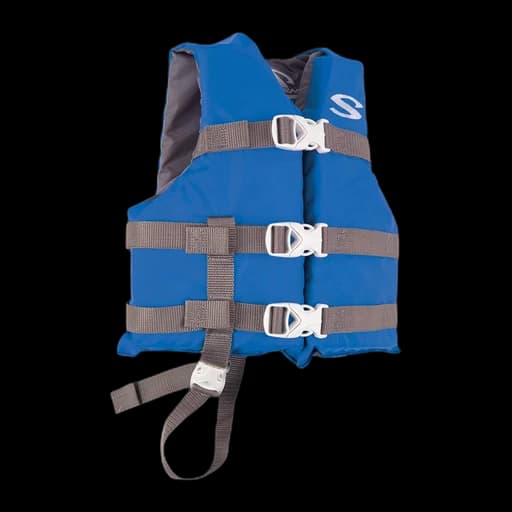
Stearns Kids Life Vest (USCG Type III, 30-50 lbs)
A Coast-Guard-rated Type III vest — the only flotation actually approved for the water.

LeIsfIt Toddler Barefoot Quick-Dry Non-Slip Water Shoes
Best SellerProtects little feet on hot sand, rocky shorelines, and slippery pool decks.
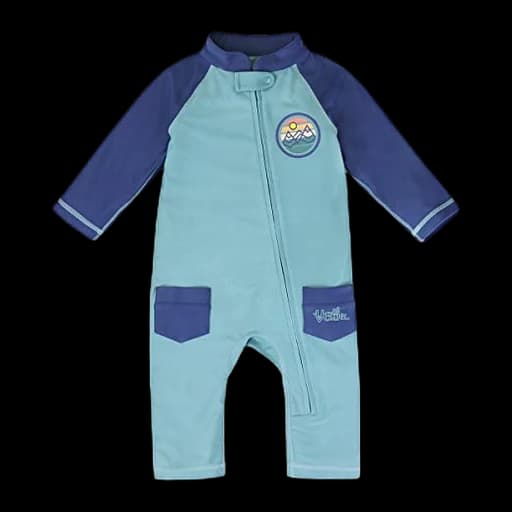
UV SKINZ Baby Boy One-Piece Full-Body UPF 50+ Sunsuit
Amazon's ChoiceFull-body UPF 50+ coverage cuts the sunscreen battle on long beach and pool days.

TOY Life 23pc Collapsible Silicone Sand Toy Set
Amazon's ChoicePacks flat, rinses in the hotel sink, and keeps kids busy on the sand for hours.
Prices and ratings are approximate and may vary — check the latest on Amazon. As an Amazon Associate we earn from qualifying purchases at no extra cost to you.
Safety Notes
Hawaii Volcanoes National Park's volcanic gases (especially sulfur dioxide) are a health hazard — keep kids away from the Sulphur Banks if anyone has asthma or respiratory sensitivities, and check the park's air quality forecast. Ocean currents on the Big Island can be surprisingly strong — only snorkel inside protected bays with guides, and confirm your child can swim before any ocean activity. Lava rock is extremely sharp and crumbly; water shoes are mandatory on Chain of Craters Road and black sand beaches. Night manta ray tours require confident swimmers; always wear a life jacket on the boat. Never approach sea turtles — federal law prohibits getting within 10 feet.
Full Destination Guide
The Big Island gives families active lava fields, manta ray night snorkels, green and black sand beaches, and a landscape that changes from tropical rainforest to alpine desert within 45 minutes—all without a passport or jet lag. It's one of the most geologically dramatic and genuinely accessible family destinations in America.
Read the Big Island, Hawaii family guide →