5-Day Hawaii Big Island Itinerary for Families with Babies
These actions run in your browser. They do not create an account or send your itinerary preferences anywhere.
Budget
$3,200–$6,800
Mid-Range
Group estimate
Luxury
Varies by resort
Best Months
Apr, May, Jun
Ready to plan
Book the trip pieces
This is the practical next step: check family-room availability, reserve age-friendly activities, and pack the gear this itinerary assumes you have.
Links may earn Tots & Trips a commission at no extra cost to you. Recommendations stay independent.
Make it fit your family
Adjust this Big Island, Hawaii itinerary
Slower pace
Treat each morning as the anchor and make the afternoon block optional.
Age-group lens
This plan is tuned for baby travelers, so keep the highest-energy activity early and preserve a low-stakes fallback.
Highlights
Day-by-Day Plan
Day 1: Arrival and Settle In
Morning
Arrive at Kona International Airport and check in to your resort in Kailua-Kona. Keep things simple — unpack, set up the travel crib, and give baby time to adjust to the time zone. Many resorts offer cribs and bottle warmers on request; confirm ahead.
Afternoon
Take a slow walk along Ali'i Drive in Kailua-Kona with baby in the carrier or stroller. Stop at a shaded café for lunch. The flat, paved waterfront path is fully stroller-friendly. Pick up any supplies you forgot at KTA Super Stores.
Evening
Room-service or a resort restaurant dinner so baby can eat and go down on schedule. Aim for an early bedtime to start resetting to Hawaii time.
Tip: Request a ground-floor room or one near the elevator to avoid stroller hassle. Bring a blackout travel blind for nap times in bright resort rooms.
Day 2: First Full Day
Morning
Head to Hapuna Beach State Recreation Area — one of the Big Island's most family-friendly beaches with a gentle, sandy shore. Arrive before 9am for shade and calm water. Set up under a tree or beach tent, let baby feel the sand and gentle surf-wash on their feet.
Afternoon
Return to the resort for baby's midday nap (critical for a happy afternoon). Pack your own snacks and a picnic lunch to avoid disrupting the nap schedule with restaurant waits.
Evening
Watch the sunset from the resort pool deck or lanai. Some Kona-area resorts have calm, shallow splash pools suitable for infants. Keep it relaxed — an overtired baby in Hawaii is no one's vacation.
Tip: Hapuna has restrooms and a small snack stand. Parking fills fast on weekends — arrive early. Reapply reef-safe sunscreen on baby every 60–90 minutes even in shade.
Day 3: Signature Activity Day
Morning
Drive to Hawaii Volcanoes National Park (about 2.5 hours from Kona). Crater Rim Drive is fully paved and accessible — park and walk the short Devastation Trail (0.8 miles, flat, paved, stroller-friendly) for a surreal lava landscape. Avoid the Steam Vents and Sulphur Banks with baby — volcanic fumes (vog) are a real respiratory risk for infants.
Afternoon
Visit the Jaggar Museum overlook for views of Halema'uma'u Crater without extended vog exposure. Picnic lunch in your car or a sheltered park picnic area. Head back toward Kona — the drive is long, so time it around baby's afternoon nap in the car.
Evening
Gentle dinner at a Kona restaurant with outdoor seating. Hula Grill at the Waikoloa Beach Resort has open-air seating with space for strollers and a relaxed vibe.
Tip: Check vog conditions at the park website before going (hawaiivolcanoespark.com has air quality updates). Bring an N95 or cloth mask for adults. Keep baby's face shielded and time at the park under 2 hours if vog is moderate.
Day 4: Flexible Family Day
Morning
Visit Punalu'u Black Sand Beach (about 1 hour south of Kona). Hawksbill sea turtles regularly haul out here — an incredible, low-effort wildlife experience. Keep at least 10 feet from turtles (federal law) and keep baby calm and quiet near them. The beach has a paved lot, restrooms, and shade trees.
Afternoon
Stop at Hilo Farmers Market on the way back if it's Wednesday or Saturday — covered stalls, easy stroller access, and fresh local fruit. Baby will be entertained by colors and sounds. Head back to the resort for the afternoon nap.
Evening
Book a luau at one of the resort properties — Waikoloa's luaus have reserved seating and are designed for families. Baby-wearing works well here. Ask for a seat near an exit in case you need a quick escape for a fussy moment.
Tip: The black sand at Punalu'u gets extremely hot by midday — go early. Do not let baby crawl or walk on the sand unprotected after 10am.
Day 5: Final Morning and Departure
Morning
Relaxed final morning. Return to Hapuna Beach or the resort pool for baby's last Hawaii splash. Take photos, collect a tiny bit of sand (the only souvenir that's actually free). Check-out and head to the airport with plenty of time — traveling with a baby always takes longer than expected.
Afternoon
Fly home. Request a bassinet bulkhead seat when booking (available on some carriers for lap infants). Pack an extra outfit for baby and yourself in the carry-on.
Evening
Home or overnight flight. Feed baby on takeoff and landing to help with ear pressure.
Tip: Book the earliest possible flight on departure day so baby is fresh and the airport is less crowded. TSA PreCheck or CLEAR is worth it when managing a baby plus gear.
Packing List
- ✓ Lightweight stroller with full recline (for naps on the go)
- ✓ Baby carrier/wrap for volcanic trail access
- ✓ Reef-safe mineral sunscreen SPF 50+ (Hawaii law requires it)
- ✓ Portable white noise machine for resort naps
- ✓ Collapsible beach tent or UPF 50+ sun shade
- ✓ Swim diapers and rash guard set
- ✓ Insulated bottle bag + formula/pumped milk supply
- ✓ Travel blackout blind for hotel windows
- ✓ Baby first-aid kit (Tylenol, thermometer, saline drops)
- ✓ Extra 2-day supply of diapers beyond what you think you need
Recommended Gear for This Trip
The travel-with-kids essentials we'd pack for a trip like this — with current prices and ratings.
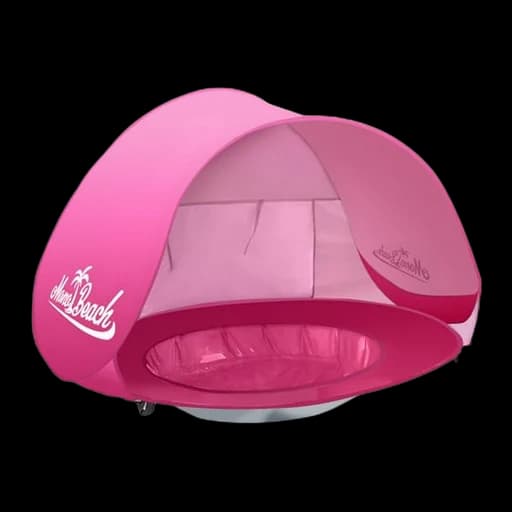
Monobeach Baby Beach Tent (Pop-Up, UPF 50+)
Amazon's ChoiceMost resort beaches have no natural shade — toddlers burn in 15 minutes without it.
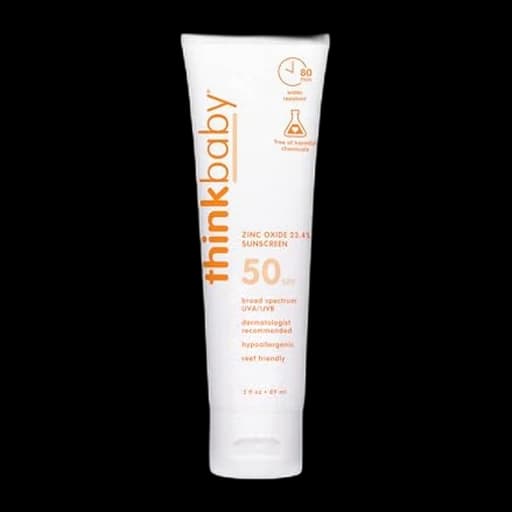
Thinkbaby SPF 50+ Baby Sunscreen, 3 oz
Best SellerMineral, reef-safer SPF 50+ — required at many Mexico, Hawaii, and Caribbean beaches.
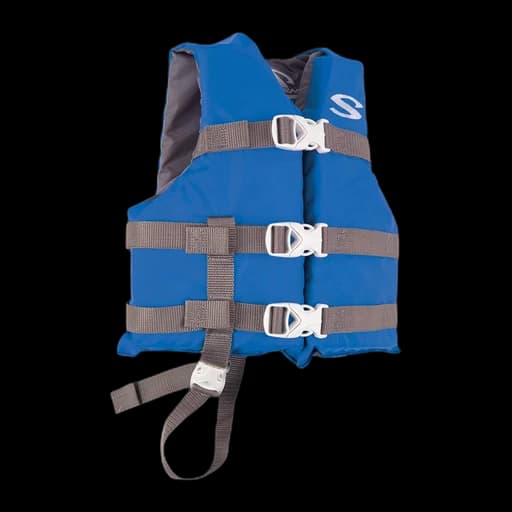
Stearns Kids Life Vest (USCG Type III, 30-50 lbs)
A Coast-Guard-rated Type III vest — the only flotation actually approved for the water.
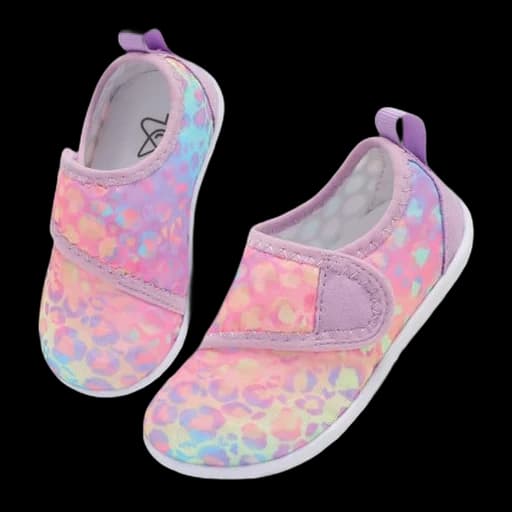
LeIsfIt Toddler Barefoot Quick-Dry Non-Slip Water Shoes
Best SellerProtects little feet on hot sand, rocky shorelines, and slippery pool decks.
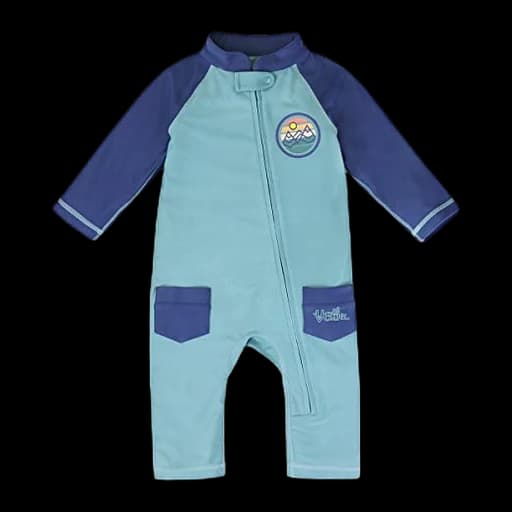
UV SKINZ Baby Boy One-Piece Full-Body UPF 50+ Sunsuit
Amazon's ChoiceFull-body UPF 50+ coverage cuts the sunscreen battle on long beach and pool days.

TOY Life 23pc Collapsible Silicone Sand Toy Set
Amazon's ChoicePacks flat, rinses in the hotel sink, and keeps kids busy on the sand for hours.
Prices and ratings are approximate and may vary — check the latest on Amazon. As an Amazon Associate we earn from qualifying purchases at no extra cost to you.
Safety Notes
Vog (volcanic smog from Kilauea) is the biggest respiratory hazard for infants on the Big Island — check air quality daily at the National Park website and avoid the summit area on high-vog days. Ocean currents on the Big Island can be strong even on calm-looking days; only use beaches with lifeguards or designated safe entry points for infants (Hapuna is the safest). Apply reef-safe mineral sunscreen to all exposed skin every 60–90 minutes and keep baby in a rash guard and hat during peak sun hours (10am–2pm). Never leave baby unattended on a beach, even for a moment.
Full Destination Guide
The Big Island gives families active lava fields, manta ray night snorkels, green and black sand beaches, and a landscape that changes from tropical rainforest to alpine desert within 45 minutes—all without a passport or jet lag. It's one of the most geologically dramatic and genuinely accessible family destinations in America.
Read the Big Island, Hawaii family guide →