5-Day Barcelona Itinerary for Tweens
These actions run in your browser. They do not create an account or send your itinerary preferences anywhere.
Budget
$3,500–$7,000
Mid-Range
Group estimate
Luxury
Varies by resort
Best Months
May, Jun, Sep
Ready to plan
Book the trip pieces
This is the practical next step: check family-room availability, reserve age-friendly activities, and pack the gear this itinerary assumes you have.
Links may earn Tots & Trips a commission at no extra cost to you. Recommendations stay independent.
Make it fit your family
Adjust this Barcelona, Spain itinerary
Slower pace
Treat each morning as the anchor and make the afternoon block optional.
Age-group lens
This plan is tuned for tween travelers, so keep the highest-energy activity early and preserve a low-stakes fallback.
Highlights
Day-by-Day Plan
Day 1: Arrival and Settle In
Morning
Park Güell at sunrise — this is the move for tweens. Timed entry tickets for 8am (book weeks in advance), walk up from Gràcia at 7:45am. The mosaic terrace in dawn light with almost no other tourists is one of the most Instagram-worthy moments in Europe. Tweens with phones will get their best shots here.
Afternoon
Sleep in and recover. Seriously: late breakfast at 10am, walk the Eixample grid slowly, Gaudí-spot on Casa Batlló and Casa Milà (La Pedrera) exteriors (free). The exteriors alone are extraordinary — save interior entry fees for Sagrada Família.
Evening
El Born neighborhood for dinner — the neighborhood's mix of boutiques, craft beer bars, and medieval streets is exactly the aesthetic tweens are developing taste for. Let them lead the navigation using Google Maps.
Tip: Set up a shared family location sharing on Life360 or Apple Find My before this trip. Tweens who know you can see their location often embrace slightly more independence — which they're ready for in a city this safe.
Day 2: First Full Day
Morning
Sagrada Família — book tower access. The Nativity Tower has the best construction views and a more intimate climb. Tweens are old enough to appreciate the decades-long project timeline (Gaudí died in 1926; it's still not finished). Download the official app with AR overlays — this is genuinely cool technology for this age group.
Afternoon
Camp Nou Experience. Football matters or it doesn't — but the Camp Nou tour transcends football. The trophies room, the dressing room, the tunnel, and the sheer scale of 99,354 seats hits tweens at a visceral level. The FC Barcelona museum section on the club's relationship with Catalan identity opens an interesting political conversation.
Evening
Tapas crawl in Gràcia neighborhood — three stops, order small plates at each. Tweens old enough to try cava (the Spanish sparkling wine region is nearby) can have a sip; otherwise, excellent fresh juice. This is the night to talk about food as culture.
Tip: Tweens can handle later dinners — first sitting at 8pm is fine, first sitting at 9pm is very Spanish. Embrace it one night as a cultural experiment.
Day 3: Signature Activity Day
Morning
Gothic Quarter proper exploration — hire a guided walking tour (€15-20 per person) focused on Barcelona's anarchist and Civil War history. This is genuinely fascinating for tweens who are at the developmental stage of questioning authority structures. The traces of the 1936 revolution are everywhere if you know where to look.
Afternoon
Street art hunt in Poblenou neighborhood (15 minutes by metro from Gothic Quarter). Poblenou is Barcelona's Brooklyn — former industrial area now covered in murals. Give tweens a phone and a list of addresses and let them find the pieces.
Evening
Barceloneta Beach sunset. Bring a football or frisbee. This is the night for unstructured time — no agenda, just the Mediterranean in September light.
Tip: The Poblenou street art scene changes frequently — check a current map from the Visit Barcelona app. Some pieces are iconic (Kenor, Aryz works) and have been there for years.
Day 4: Flexible Family Day
Morning
CosmoCaixa science museum — older tweens will appreciate the actual scientific content here, not just the spectacle. The geology section and the planetarium are excellent. The museum also hosts science demonstrations mid-morning.
Afternoon
Granted independence time in El Born neighborhood — parents at a café, tweens with a budget, a phone, and a two-block radius. An hour of independent browsing in the boutiques and bookshops of El Born is the right amount of earned autonomy for this age group.
Evening
Aquàrium de Barcelona evening session. Tweens are old enough to find the biology genuinely interesting — the Mediterranean ecosystem section explains why the sea here looks different from the Atlantic, and most tweens have strong opinions about ocean conservation by this age.
Tip: For the independent El Born session, set a specific meeting point (not 'the café' — a specific door or landmark) and a specific time. Tweens respond well to clear logistics with real responsibility.
Day 5: Final Morning and Departure
Morning
MNAC on Montjuïc with the Montjuïc Castle visit — the castle was used as a political prison during the Franco dictatorship and the history is genuinely sobering and relevant. Tweens processing contemporary political news will find the Franco-era context illuminating.
Afternoon
Boqueria Market (less crowded at 2pm) for lunch supplies, then Barceloneta for a final swim. Stop at a chiringuito beach bar for a proper Spanish lunch.
Evening
Farewell dinner at a restaurant the tweens choose and book. Give them the task of researching options, checking Google Maps reviews, and making the selection. This is the kind of responsible autonomy that travels well beyond Barcelona.
Tip: Allow tweens to document the trip their way — their curated Instagram story or a journal will be a better memory than any photos you take of them.
Packing List
- ✓ Phone with offline Google Maps downloaded (Barcelona, Spain)
- ✓ Portable power bank (minimum 10,000mAh) — essential for tween photographers
- ✓ Comfortable sneakers — no flip-flops for a walking-heavy day
- ✓ Journal or sketchbook for architecture/street art documentation
- ✓ Small crossbody bag for independence time (not a backpack — harder to grab-and-run)
- ✓ Sunscreen SPF 50+ and hat for beach days
- ✓ Swimwear and compact beach towel
- ✓ Light hoodie for Gothic Quarter evening and early-morning Park Güell
- ✓ Euros for independent spending (€30-50 budget for El Born afternoon)
- ✓ Reusable water bottle — staying hydrated in Barcelona heat is serious
Recommended Gear for This Trip
The travel-with-kids essentials we'd pack for a trip like this — with current prices and ratings.
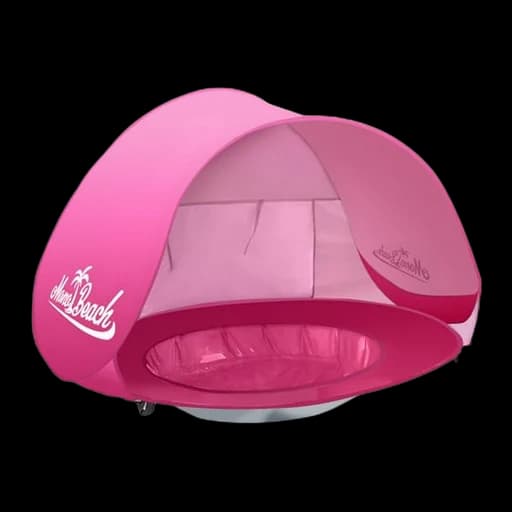
Monobeach Baby Beach Tent (Pop-Up, UPF 50+)
Amazon's ChoiceMost resort beaches have no natural shade — toddlers burn in 15 minutes without it.

Thinkbaby SPF 50+ Baby Sunscreen, 3 oz
Best SellerMineral, reef-safer SPF 50+ — required at many Mexico, Hawaii, and Caribbean beaches.
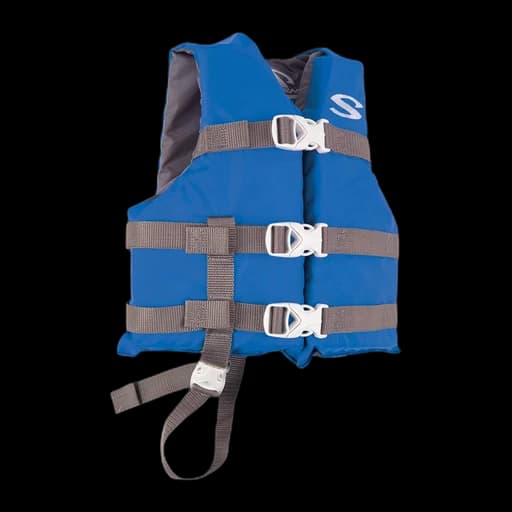
Stearns Kids Life Vest (USCG Type III, 30-50 lbs)
A Coast-Guard-rated Type III vest — the only flotation actually approved for the water.

LeIsfIt Toddler Barefoot Quick-Dry Non-Slip Water Shoes
Best SellerProtects little feet on hot sand, rocky shorelines, and slippery pool decks.
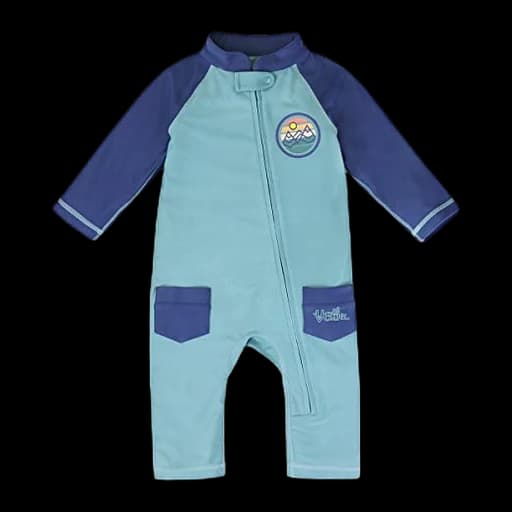
UV SKINZ Baby Boy One-Piece Full-Body UPF 50+ Sunsuit
Amazon's ChoiceFull-body UPF 50+ coverage cuts the sunscreen battle on long beach and pool days.

TOY Life 23pc Collapsible Silicone Sand Toy Set
Amazon's ChoicePacks flat, rinses in the hotel sink, and keeps kids busy on the sand for hours.
Prices and ratings are approximate and may vary — check the latest on Amazon. As an Amazon Associate we earn from qualifying purchases at no extra cost to you.
Safety Notes
Tweens doing any independent exploration should have a working SIM with data, a clear meeting point, and a time. Barcelona is genuinely safe for tweens — violent crime is extremely low. The main risk is pickpocketing; teach them the crossbody bag technique and to be aware on packed metro cars. The Gothic Quarter has some atmospheric but genuinely dark alleyways — brief them to stick to main streets solo. Late dining culture means restaurants are still full at 10pm — this is normal in Spain and not a sign of anything concerning. Emergency number is 112.
Full Destination Guide
Barcelona is arguably Spain's most naturally family-friendly city, combining a genuinely good urban beach, extraordinary Gaudí architecture that captivates kids of all ages, a walkable Gothic Quarter, and a food scene that satisfies both adventurous parents and picky children. It's busier and pricier than Madrid, but the payoff is enormous.
Read the Barcelona, Spain family guide →