The Art of the Family Road Trip
Road trips with kids are making a comeback, and for good reason. You control the schedule, pack whatever you want, and stop whenever you need to. No TSA lines, no baggage fees, no ear pressure meltdowns. The challenge is keeping everyone content for hours in a confined space. The solution is a two-part strategy: strategic snacking and entertainment rotation. Need help deciding between driving and flying? Check our road trip vs flying comparison.
The Best Road Trip Snacks for Kids
Mess-Free Winners
These snacks earn top marks for minimal crumbs and zero stickiness:
- String cheese — protein-packed and naturally portioned
- Squeeze pouches — fruit and veggie pouches with twist caps reseal between sips
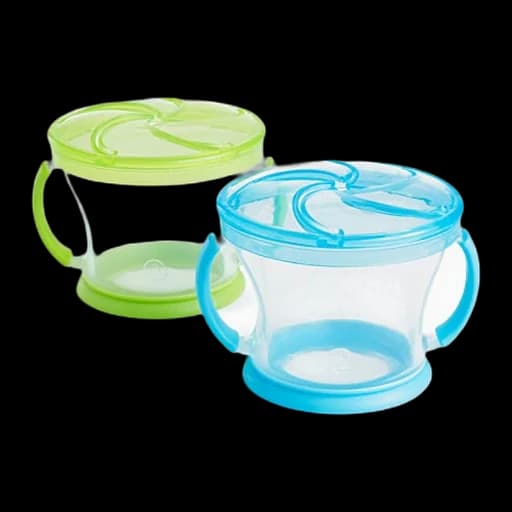
- Dry cereal — Cheerios, Chex, or Kix in snack cups with lids
- Pretzel rods — less crumbly than crackers, fun to eat
- Banana — comes in its own packaging, though dispose of peels quickly
- Rolled deli meat — turkey or ham rolls need no bread
- Frozen grapes — they thaw slowly and taste like candy to kids
The Snack Box System
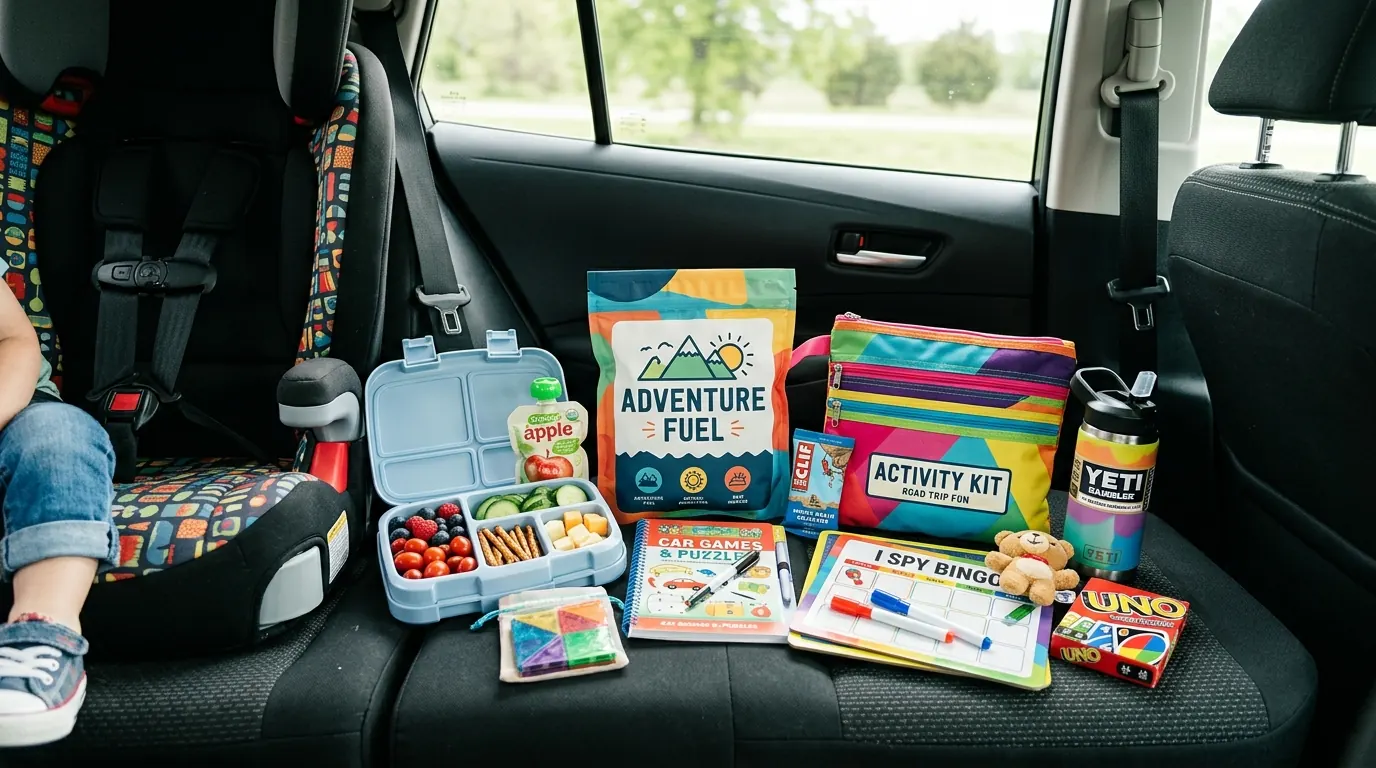
Create individual snack boxes for each child using tackle boxes or bento containers. Fill compartments with a variety: salty, sweet, crunchy, soft. Give each child their box at the start of the drive. Having choices reduces the constant asking and lets kids self-regulate their snacking. Refill at rest stops.
Snacks That Double as Activities
Trail mix sorting (separate by type before eating), building with pretzel sticks and marshmallows, and peeling oranges all keep hands busy and mouths happy. Lollipops are excellent for quiet time — ten minutes of focused sucking is ten minutes of peace.
What to Avoid in the Car
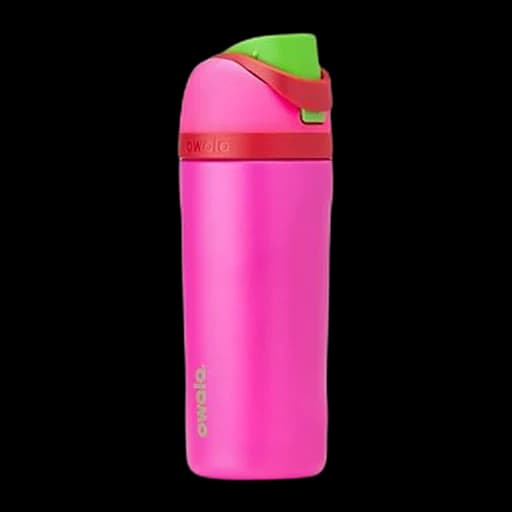
Skip anything that melts (chocolate), stains (berries, red juice), or crumbles into upholstery (chips, crackers). Goldfish crackers look harmless but pulverize into orange dust that takes days to vacuum out. No open containers of liquids for kids under 6 — sippy cups and bottles with valves only.
Screen-Free Activities by Age
Ages 1-3 (Toddlers)
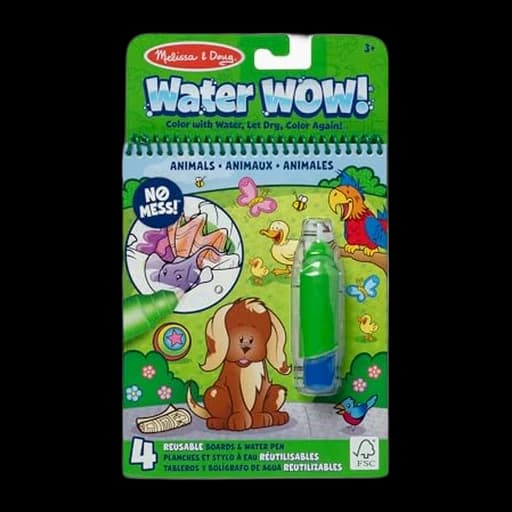
- Magnetic drawing boards — endless drawing with zero mess
- Window clings — reusable stickers for car windows
- Busy boards — buckles, zippers, latches on a portable board
- Simple audiobooks — play aloud for the whole car
- Singing — toddlers never tire of Baby Shark (parents might)
Ages 4-7
- I Spy books — the search-and-find format is perfect for cars
- Sticker scenes — reusable sticker sets with backgrounds
- Story cubes — roll dice with pictures and tell a story
- License plate game — find plates from all 50 states
- 20 Questions — simple and needs zero supplies
Ages 8-12
- Mad Libs — reliably hilarious and educational
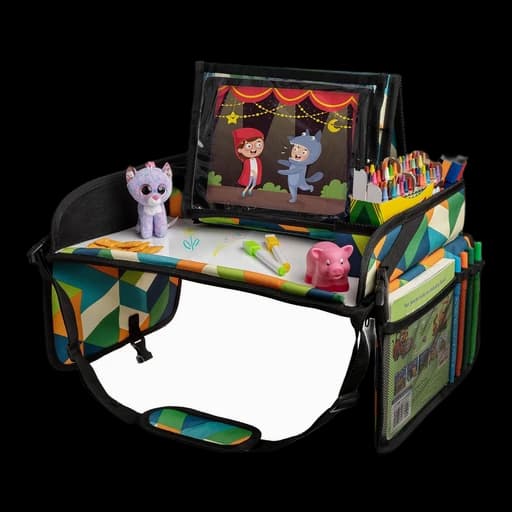
- Card games — Uno, Go Fish with a lap tray
- Journals — write or draw about each stop
- Podcasts — Wow in the World, Brains On, Story Pirates
- Would You Rather — increasingly absurd scenarios keep everyone laughing
Screen Time Strategy
Save screens for the second half of the drive when patience is thinnest. Pre-download movies and shows — do not rely on cellular data in rural areas. Headphone splitters let siblings watch together. Limit to one movie at a time with a screen-free activity break between films. A tablet mount that attaches to the headrest is worth the $15 investment.
The Stop Strategy
Plan stops every 2-2.5 hours for kids under 5, every 3 hours for older kids. At each stop, mandate 10-15 minutes of physical activity — running, jumping, playground if available. Rest areas with grass are better than gas station parking lots. Map your route in advance and identify parks, playgrounds, or interesting stops along the way. The journey should include fun destinations, not just the final one.
Car Organization
A backseat organizer hanging from the front seats keeps supplies accessible. Use gallon zip-lock bags to sort activities by child. Keep a small trash bag accessible (a cereal container works well). Put a fitted sheet over the back seat before the trip — when you arrive, pull it off with all the crumbs and shake it out. For complete trip prep, see our family packing guide.