How to Pack for a Family Vacation Without Forgetting the Essentials
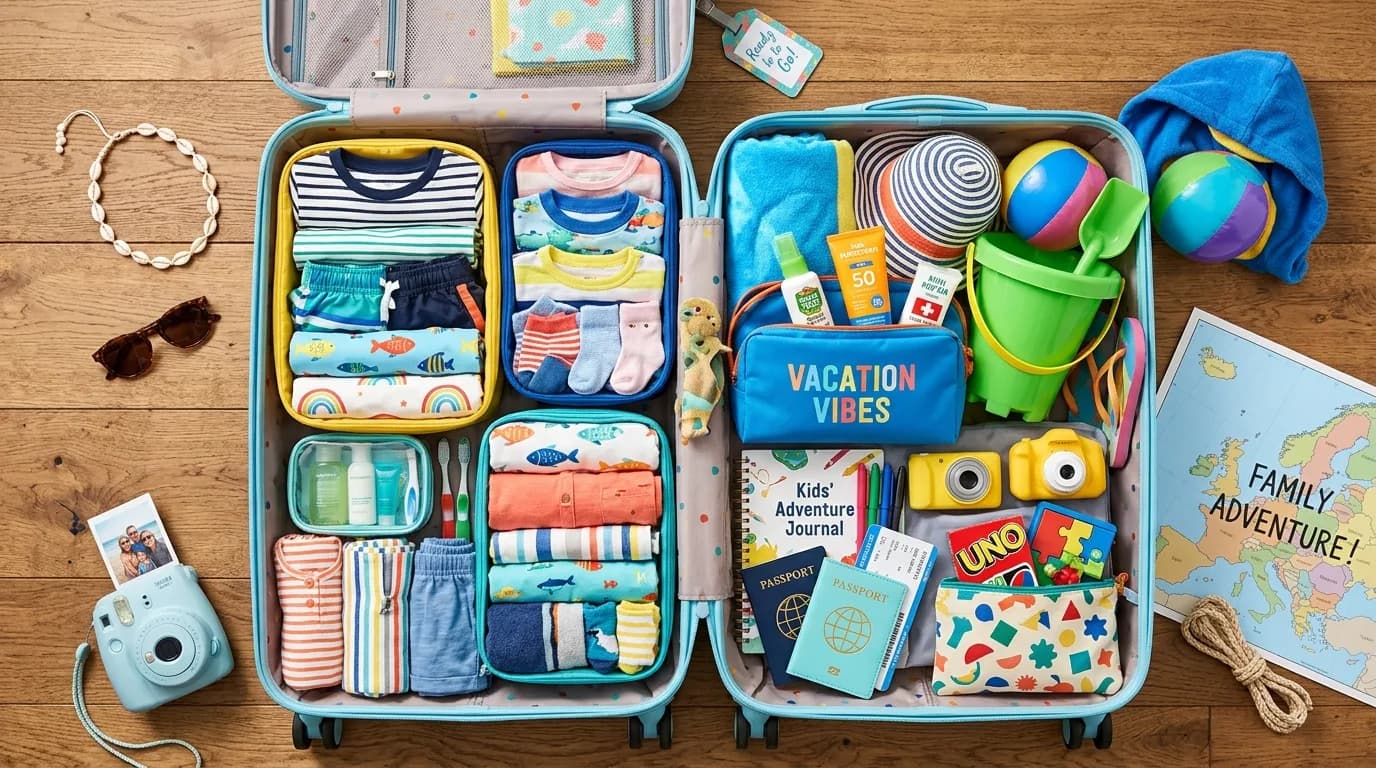
Packing for a family vacation is an exercise in logistics. You need enough to handle every situation but not so much that you are hauling six suitcases through the airport. This comprehensive list is organized by category so you can work through it systematically. The key principle: pack for the trip you are actually taking, not every possible scenario. A beach week in Florida requires different gear than a European city break. Use this as your master checklist and cross off categories that do not apply, or build a custom one with our packing list generator.
Documents and Travel Essentials
Start here because forgetting a passport ruins the trip before it begins. In the bag that stays with you: passports for all travelers including infants on international trips, IDs, printed or digital hotel confirmations, travel insurance documents, the car rental confirmation, and vaccination records if your destination requires them. Flying with a lap infant, even domestically, bring the birth certificate or a copy: American Airlines says it may request a birth certificate as proof of age, so check what your airline accepts. For international trips, confirm the entry requirements for each traveler and any consent letter needed when a child travels without both parents. Keep digital backups in a shared cloud folder both parents can open offline; a backup helps if something is lost but does not replace a required original. A waterproof document holder keeps everything together in your carry-on.
Clothing for Parents
Pack based on a simple formula: one outfit per day plus two extras, or about half that if you will have a washer on the trip. Choose items that mix and match so you can create new combinations. Roll rather than fold to save space. Include broken-in walking shoes, a light jacket or cardigan for air conditioning and evening breezes, swimwear, sleepwear, and one outfit that works for a nicer dinner.
Clothing for Kids
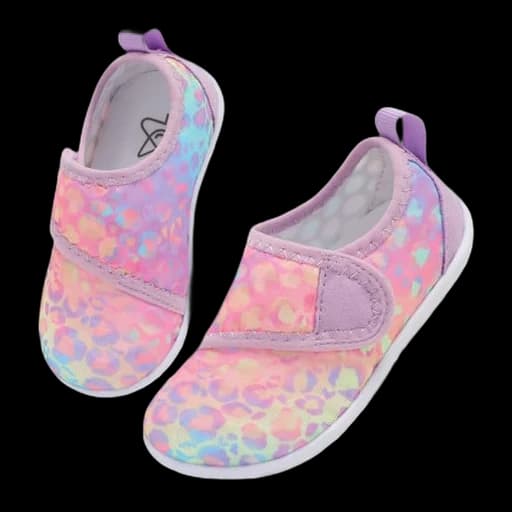
Children need more outfit changes than adults because spills, mud and diaper leaks are inevitable. Pack one and a half outfits per day for toddlers and one outfit per day plus three extras for older kids. With laundry at your accommodation, cut that in half. Add a sun hat with a chin strap toddlers cannot easily pull off, swim diapers if needed, lightweight pajamas, a hoodie or zip-up for layering, and shoes that go on and off easily. Skip anything that needs ironing or delicate care. See how to pack for a family vacation for the laundry-based plan.
Toiletries
Buy travel-size versions of your essentials or use refillable silicone bottles. The must-pack items include: sunscreen SPF 50 or higher in both lotion and stick form for faces, after-sun aloe gel, insect repellent labelled for your child's age (the CDC advises against oil of lemon eucalyptus or PMD under age 3), children's shampoo and body wash, diaper cream, toothbrushes and toothpaste for everyone, any prescription medications with original labels, and a basic first aid kit. Skip anything you can easily buy at your destination to save space.
Baby and Toddler Gear
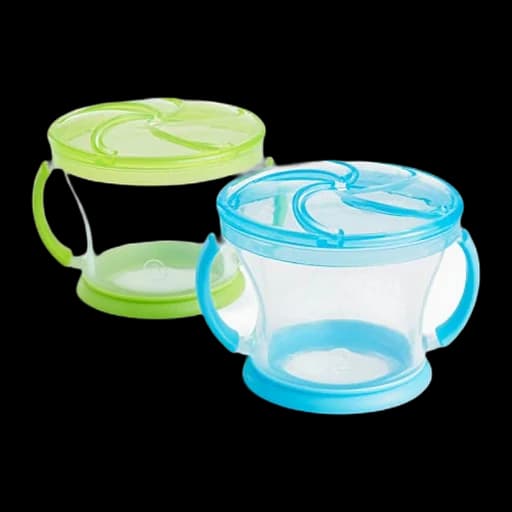
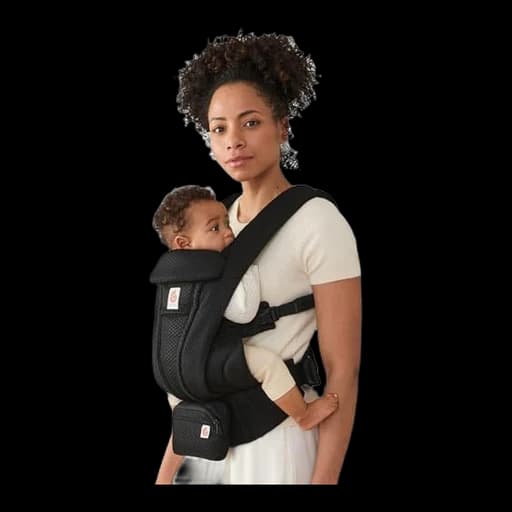
This category creates the most packing anxiety. Essentials include: a lightweight travel stroller that folds compactly, a portable sound machine for sleep consistency, a travel crib or confirmation that your hotel provides one, a clip-on high chair or silicone placemat, bottles or sippy cups, formula or shelf-stable milk, diapers for the travel days plus one extra day of supply, and a baby carrier or sling for hands-free exploration; our guide to the best toddler carriers for travel compares hip seats, soft carriers and frames. Check what your hotel provides before packing duplicates. For stroller picks, see our best travel strollers; for the flight itself, what to pack for baby's first flight. A stroller gate-check bag keeps the stroller clean on the way.
Beach Essentials
If your vacation includes beach days, pack a pop-up shade tent, which is non-negotiable with toddlers (our baby beach tent picks compare UPF claims, setup and how each stays put in wind), reef-safe sunscreen without oxybenzone or octinoxate, sand toys in a mesh bag that drains, fitted life jackets for non-swimmers, waterproof phone cases, a microfiber towel that packs small and dries fast, water shoes for rocky beaches, and a small cooler bag for drinks and snacks. Leave the giant inflatable flamingo at home since it takes up an entire suitcase and inevitably deflates.
Electronics
Tablets loaded with downloaded shows and games carry most travel days; download before you leave, since airport Wi-Fi is unreliable and in-flight options may not suit your child's age. Also pack kid-sized headphones with volume limiters, charging cables for every device, and a universal power adapter for international trips. For the power bank, go by its watt-hour (Wh) rating rather than mAh: under FAA lithium battery guidance, power banks and spare lithium batteries go in carry-on baggage only, with terminals protected against short circuits, and batteries up to 100 Wh need no airline approval. If your carry-on is checked at the gate, take them out and keep them in the cabin. Leave damaged or recalled batteries at home.
Snacks
Pack more than you think you need. Great travel snacks include individually wrapped crackers, squeezable fruit pouches, granola bars, dried fruit, trail mix for older kids, and a few special treats reserved for meltdown moments. Avoid anything that melts, crumbles excessively, or has strong odors in confined spaces. For international travel, check customs restrictions on food imports since fresh fruit and meat products are often prohibited.
First Aid Kit
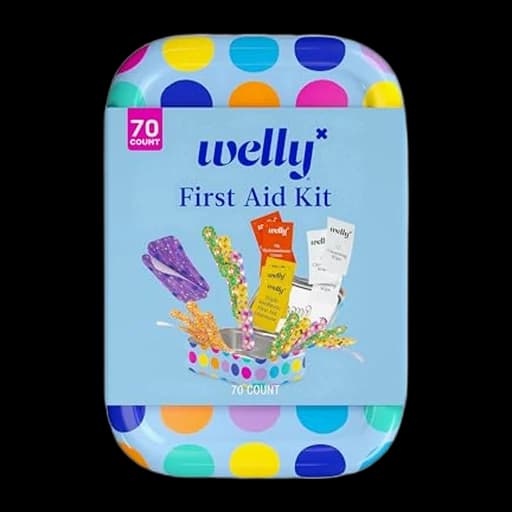
A compact first aid kit prevents pharmacy runs during vacation. Include: children's pain reliever and fever reducer, adhesive bandages in fun patterns, antibiotic ointment, hydrocortisone cream for bug bites, motion sickness medicine, oral rehydration packets for upset stomachs, a digital thermometer, tweezers for splinters, saline nose spray, and any allergy medications your family needs. Pack medications in original packaging with dosage instructions clearly visible, and check children's doses with your pediatrician before you go, since they depend on weight and age.
Entertainment for Travel Days
Beyond electronics, pack physical entertainment that works without batteries. Sticker books, water reveal pads, coloring books with a small crayon set, magnetic drawing boards, small figurines, pipe cleaners, and a couple of new small toys wrapped in tissue paper for surprise value. A gallon zip-lock bag of these items in your carry-on is your emergency entertainment kit.
Packing Strategy Tips
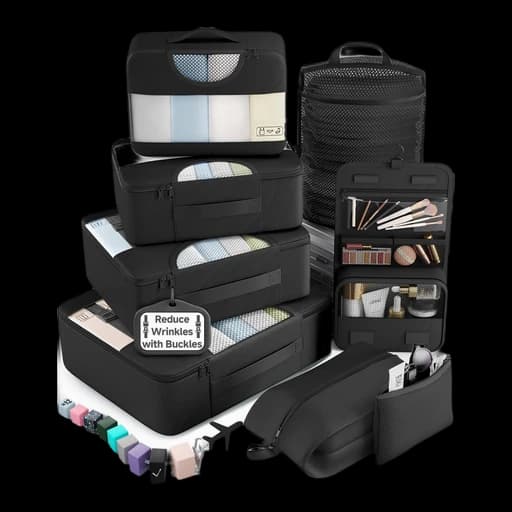
Use cubes to separate clothing by person or category if they help you find things. Compression can make soft clothing less bulky, but it does not reduce baggage weight; there is no reliable percentage saving for every wardrobe. Use the outfit counts above, halved if you will have laundry.
What goes in which bag?
- Bag that stays with you: documents, essential medication, feeding supplies, diapers, one spare outfit per child and a comfort item.
- Carry-on only: power banks and spare lithium batteries, with terminals protected. Remove them before a carry-on is gate-checked.
- Main suitcase: most clothing, spare shoes and ordinary toiletries you will not need during transit, within your airline's allowance.
Separate ordinary liquids from child and medical exceptions
At U.S. TSA checkpoints, ordinary carry-on liquids, gels and creams must be in containers no larger than 3.4 oz (100 mL) in a quart-sized bag. This is not a rule to put every family liquid in one bag. Formula, breast milk, toddler drinks and baby/toddler food, including puree pouches, can exceed that size and do not need to fit in the quart bag. Tell the officer at the start of screening and remove these items for separate screening; our TSA with kids guide walks the checkpoint, and the TSA liquids checker answers it item by item. Medically necessary liquids also have an exception in reasonable quantities and must be declared for inspection. These are U.S. security-screening rules; check the rules at your international departure and connection airports, destination food-import rules and your airline's baggage policy separately.
Weigh each bag at home and confirm both size and weight limits. Keep the cabin essentials in an accessible pouch so they can be removed quickly if a larger bag has to be checked. Leave room in your suitcase for souvenirs on the way home; a collapsible duffel packed flat is the overflow bag, as long as it fits your airline's bag allowance.