The Reality of Long Flights with Kids
A two-hour flight with kids is manageable through sheer distraction. A six-plus hour flight requires actual strategy. The good news: kids are more adaptable than adults give them credit for, and with the right preparation, long-haul flights become a manageable part of the adventure rather than a dreaded ordeal. Here is how to make it work.
Seat Selection Strategy
Bulkhead Rows
On international flights, bulkhead rows offer critical advantages: bassinets mount to the wall for babies under 20 pounds, extra legroom gives toddlers floor play space, and no seat in front means no one to kick. Request bulkhead seats directly with the airline — they are often held back from regular booking.
The Two-Row Strategy
For families with two parents and two kids, booking two aisle seats across from each other (in a 3-4-3 configuration) lets parents easily trade off without climbing over strangers. Each parent gets a window-side kid and an aisle escape route.
Avoid the Last Row
Seats near lavatories mean traffic, noise, and smells. The back of the plane is also bumpiest during turbulence. Mid-cabin over the wings provides the smoothest ride for nausea-prone kids.
Entertainment That Lasts
The Phase Approach
Divide the flight into two-hour phases and plan entertainment for each:
- Phase 1 (Takeoff to hour 2): Excitement and novelty. Let kids explore the seatback screen, eat the airline snack, look out the window. Low-effort parenting.
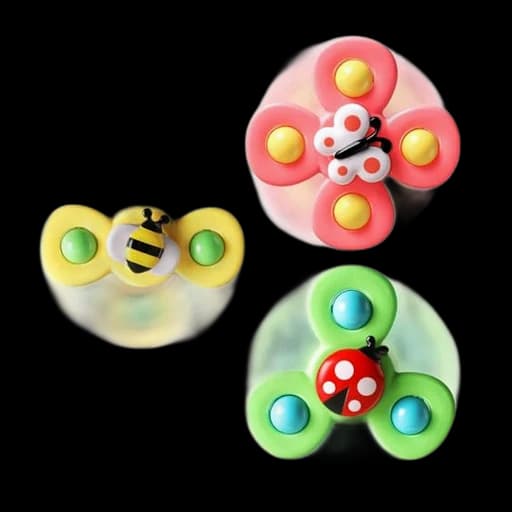
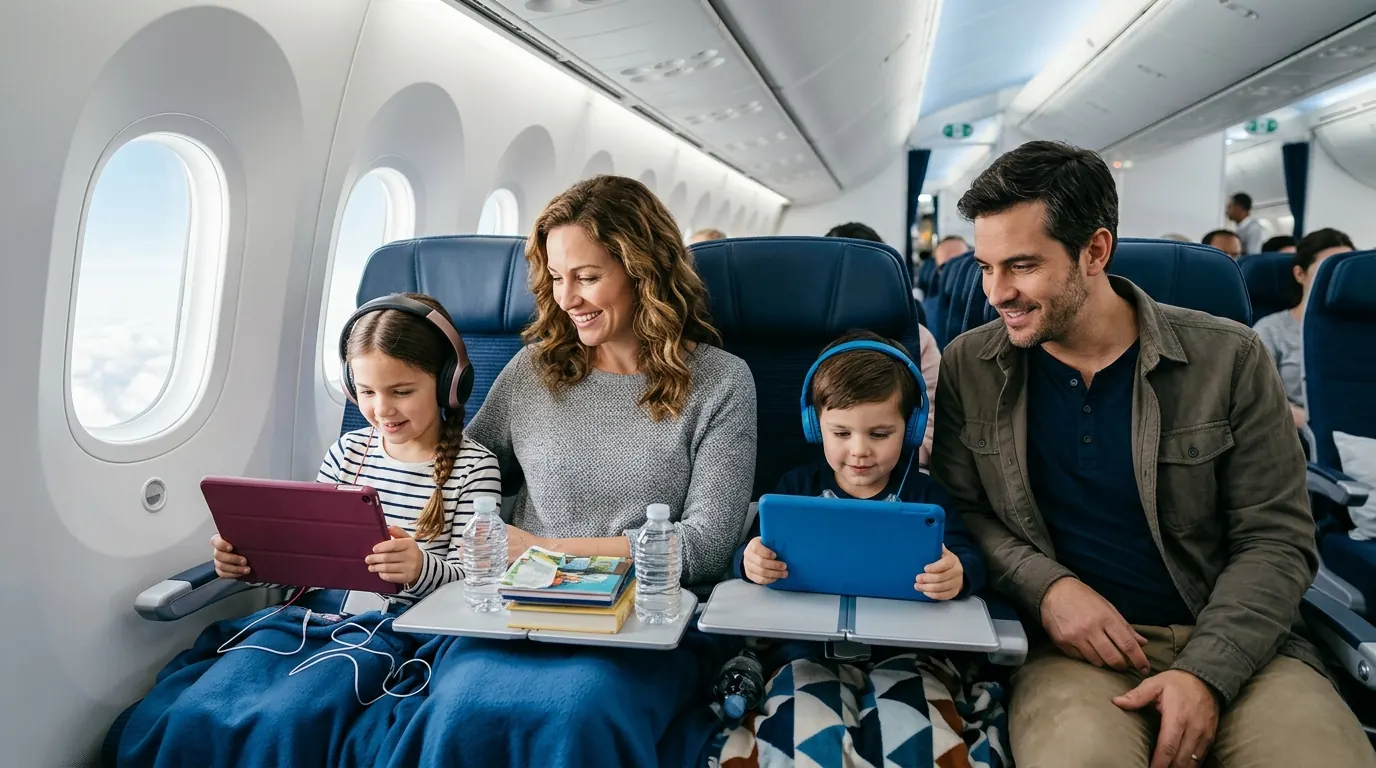
- Phase 2 (Hours 2-4): Active entertainment. Tablet time, sticker books, coloring, small toys. Rotate every 20-30 minutes.
- Phase 3 (Hours 4-6): Comfort mode. Movies, audiobooks, quiet activities. This is when fatigue sets in — embrace screen time.
- Phase 4 (Hours 6+): Sleep or survival. Dark cabin, blankets, and whatever keeps them calm. Break out emergency treats.
Download Everything
Airline Wi-Fi is unreliable. Before the flight, download: 4-6 movies or show episodes per child, 2-3 games that work offline, audiobooks or podcasts for older kids, and a music playlist for dancing in seats. Our toddler flight tips cover entertainment in more detail for younger children.
Sleep Management
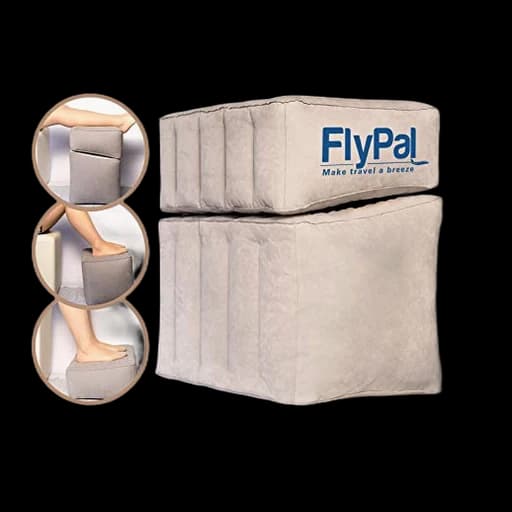
For overnight flights (the best option for long-haul with kids), maintain bedtime routine as much as possible. Bring pajamas and change them on the plane. A familiar blanket or stuffed animal signals sleep time. White noise apps on a phone with headphones can block cabin noise. Consider kid-sized neck pillows — the inflatable ones that rest on the tray table work better than wrap-around neck pillows for children.
Food and Hydration
Airline meals for kids are unpredictable. Pack familiar backup food: sandwiches, pasta in a thermos, fruit pouches, granola bars, and cheese sticks. Bring an empty water bottle and fill it after security — dehydration makes jet lag worse and makes kids crankier. Avoid sugary drinks that cause energy spikes and crashes. Order kids' meals when booking (CHML code) — they are served first, which occupies kids while adults wait.
Managing Motion Sickness
Window seats help because kids can see the horizon. Ginger chews or children's Dramamine (with pediatrician approval) can prevent nausea. Avoid heavy meals before turbulence-prone portions of the flight. Pack zip-lock bags — just in case — in the seat pocket for quick access.
The Walking Strategy
Plan aisle walks every 90 minutes during waking hours. Time them for after the seatbelt sign turns off and avoid peak service times. Walking the plane is exercise, entertainment, and a change of scenery rolled into one. Some kids enjoy saying hello to flight attendants in the galley — most attendants welcome the interaction during quiet periods.
Handling Meltdowns at 30,000 Feet
Meltdowns on long flights are not if but when. Stay calm — your stress escalates theirs. Have a meltdown kit ready: a favorite snack, a comfort item, a screen with their favorite show queued up. Sometimes walking to the galley for a change of environment is enough. If nothing works, hold them close, speak softly, and wait it out. Fellow passengers with kids get it. Fellow passengers without kids have headphones. Nobody will remember this flight in a week.
Upon Arrival
Long flights disorient kids. Have a simple plan for arrival: get luggage, get to accommodation, decompress. Do not schedule anything for the first half day. Let kids adjust to the new time zone gradually — our jet lag guide covers transition strategies. A bath and familiar bedtime routine help reset everyone.